

Explore cordless power tools, kits, batteries, chargers, accessories and related equipment available to Canadian shoppers. Compare product options and follow useful buying guides before you buy.
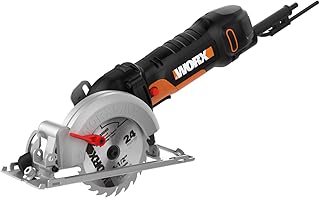


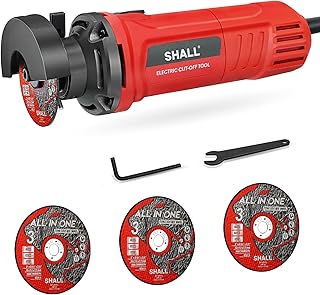


Choosing cordless metal shears is less about finding the most powerful-looking tool and more about matching the cutting system to the material, thickness, working environment and volume of work. For Canadian buyers, battery-platform compatibility is also an important consideration because a tool that fits an existing 18V or other compatible cordless system can be considerably more practical than starting a completely new battery ecosystem.
Bosch is a well-established power-tool brand with cordless equipment aimed at professional tradespeople, contractors and serious DIY users. When comparing Bosch cordless metal shears, look beyond headline specifications and examine cutting capacity, ergonomics, battery compatibility, control, blade or cutting-head design, serviceability and the type of sheet metal you actually intend to cut.
This guide is designed to help Canadian shoppers compare specifications and make a more informed purchase decision. Product availability, configurations, included accessories and current pricing can change, so always verify the exact Canadian package before buying.
Cordless metal shears are designed to make controlled cuts through sheet-metal materials without requiring a power cord. They are particularly useful when working on roofing, ductwork, HVAC installations, flashing, siding, fabrication, vehicle-related projects, electrical enclosures and general metalworking applications where repeated cuts would be slow with hand snips.
The cordless format becomes especially useful when the work area is difficult to reach, when extension cords would be inconvenient, or when the user needs to move repeatedly around a job site. A battery-powered shear can also be useful for overhead work and installations where access to a mains outlet is limited.
However, not every cordless shear is appropriate for every type of metal. Always compare the manufacturer's stated cutting capacities for the particular material before attempting a job. Steel, stainless steel, aluminium and other sheet materials can place very different demands on a cutting mechanism.
Cutting capacity is one of the most important specifications to check. Manufacturers may state different maximum thicknesses for different materials, so a single maximum thickness number can be misleading if you do not know what material it represents.
For example, a shear may have a different rated capacity for mild steel than for stainless steel or aluminium. Buyers should therefore look for material-specific specifications rather than assuming that the maximum advertised capacity applies universally.
If your work routinely involves material near the upper end of a tool's stated capacity, consider whether a larger or more specialised cutting tool would be more appropriate. Operating continuously at the limit can also be less practical than choosing a tool with additional capacity.
Speed matters when a tool is being used for long cuts or repetitive production work, but raw speed is not the only consideration. A useful metal shear should provide enough control to maintain a clean cutting path without forcing the operator to fight the tool.
Variable-speed control can be valuable for users who work with different materials or need greater precision around corners and detailed sections. For straightforward long cuts, consistent cutting action may be more important than having the highest possible no-load speed.
Battery compatibility deserves careful attention before purchase. Bosch cordless tools are available across different battery systems and generations, so buyers should confirm that the exact shear is compatible with the batteries and chargers they already own.
If you already use a Bosch cordless tool system, buying a compatible bare tool can potentially make more sense than purchasing another battery and charger. Conversely, if you are entering the platform for the first time, compare the complete cost of the tool, batteries and charger rather than judging value from the bare-tool price alone.
Metal shears are often used while holding the tool away from the body, and awkward cutting positions can make balance particularly important. A tool that feels manageable for a short demonstration may feel very different after repeated cuts.
Pay attention to overall weight, grip shape, trigger placement and how the battery affects the balance of the tool. For overhead work, a compact and well-balanced design may be more useful than a heavier model with higher theoretical output.
Users who frequently cut large panels should also consider whether the tool can be comfortably controlled with the intended hand position and whether the cutting head provides sufficient visibility of the cutting line.
The cutting head determines how the shear interacts with the material. Its geometry can influence visibility, manoeuvrability and the ability to follow straight or curved cutting paths.
When comparing models, consider whether your work involves long straight cuts, tight curves, notches, openings or detailed trimming. A tool optimised for one type of cutting may not be equally convenient for another.
Control placement can have a significant effect on usability. A well-positioned trigger should allow the operator to maintain a secure grip while controlling the cutting action. For repetitive work, small ergonomic differences can become much more noticeable over several hours.
Look for information about trigger operation, speed control, lockout features and the overall hand position. Safety controls should be considered alongside convenience rather than treated as optional features.
Metal-cutting components are consumable or serviceable parts on many cutting tools. Before purchasing, determine how replacement components are handled and whether the exact parts required for your model are readily identifiable through the manufacturer's documentation or authorised service channels.
A lower purchase price is less attractive if replacement cutting components are difficult to source or if maintenance requirements do not suit the frequency of use.
Mild steel is a common material for general fabrication and construction-related work. It is important to compare the manufacturer's stated capacity for the exact grade and thickness rather than relying on a generic description such as "steel cutting."
Stainless steel can be considerably more demanding to cut than ordinary sheet steel. It may require a tool specifically rated for the required thickness. If stainless steel is a regular part of your workload, prioritise the manufacturer's stainless-steel capacity rather than selecting a shear solely from its mild-steel rating.
Aluminium is comparatively lightweight, but its cutting behaviour differs from steel. The thickness, alloy and application still matter. A shear that is convenient for thin aluminium sheet may not be suitable for thicker material.
Galvanized sheet metal is widely encountered in construction and HVAC work. Cutting can expose sharp edges and may produce metal debris, so suitable protective equipment and careful handling remain important. Confirm that the selected tool is rated for the intended material thickness.
The principal advantage of a cordless shear is mobility. There is no power cable trailing across the work area, which can make repositioning easier and can be particularly helpful on construction sites, rooftops and partially finished buildings.
Corded tools can still make sense for users who work primarily in a workshop and have reliable access to mains electricity. The absence of battery management can be an advantage for stationary, high-volume applications.
The better choice depends on where and how the tool will be used. A contractor moving between multiple areas may benefit substantially from cordless operation, while a workshop user performing repetitive cuts beside a workbench may place a higher value on continuous operation.
Bosch is not the only established manufacturer worth considering. Depending on the user's existing battery platform and application, buyers may also compare offerings from Makita, Milwaukee and DEWALT.
Bosch can be a logical choice for users already invested in its compatible cordless ecosystem. Compare the exact model's cutting specifications, ergonomics and included accessories rather than assuming that brand reputation alone identifies the best tool for every application.
Makita has a broad cordless power-tool range, making battery-platform compatibility an important comparison point for existing Makita users. When evaluating a Makita alternative against Bosch, compare material-specific cutting capacity, tool dimensions, battery requirements and intended workload.
Milwaukee's cordless ecosystem is widely used across professional trades. Buyers considering a Milwaukee alternative should compare the complete system cost and specifications rather than comparing bare-tool prices in isolation.
DEWALT is another major cordless power-tool brand available to Canadian consumers. Its battery ecosystem may be particularly relevant to existing users. As with Bosch, the correct model depends on the metal thickness, cutting pattern and workload rather than the brand name alone.
A useful comparison should go beyond star ratings or retailer rankings. When evaluating a shortlist, use the same criteria for every product so that differences are meaningful.
For cordless power tools, the lowest advertised tool price is not necessarily the lowest overall ownership cost. A buyer who already has several compatible batteries may be able to purchase a bare tool and use existing equipment. Someone without batteries may need a complete kit, changing the economics of the purchase.
Battery availability should also be considered for demanding jobs. If you expect to use the shear continuously, having an appropriate number of charged batteries can be more important than selecting the tool with the smallest possible purchase price.
Before buying, identify every cordless tool you currently own and note which battery platform it uses. This simple step can eliminate incompatible options from the shortlist.
Battery capacity influences runtime, while the physical battery can also affect the weight and balance of a handheld tool. A higher-capacity battery may provide longer working time but can make a compact tool heavier.
There is no universally correct battery size. Short maintenance jobs may favour a smaller, lighter battery, while prolonged cutting may benefit from greater capacity. Users should consider whether they prefer to minimise tool weight or reduce the frequency of battery changes.
Published battery specifications do not necessarily translate into a fixed number of minutes of real-world cutting. Runtime can vary according to material thickness, cutting speed, operator technique, battery condition, temperature and how continuously the tool is operated.
For that reason, avoid treating a battery's nominal capacity as an exact runtime guarantee. If a job is important or time-sensitive, plan for battery changes rather than assuming the tool will operate continuously for a particular number of hours.
Bosch is a respected brand, but the brand name does not eliminate the need to check the exact model. Different tools within a manufacturer's range can have very different applications and specifications.
One of the most common mistakes is buying a tool based on the appearance of the product rather than its rated capacity. Always compare the thickness you normally cut with the manufacturer's rating for that material.
A bare cordless tool may appear inexpensive until the required battery and charger are added. Compare complete ownership requirements before deciding which option offers better value.
Weight becomes increasingly important during overhead, awkward-angle or repetitive work. Consider the complete operating weight rather than the tool-only specification when batteries are removable.
Metal shears are specialised tools. They are not automatically the best solution for every metal-cutting task. Depending on the material and cut, nibblers, angle grinders, circular metal-cutting saws, reciprocating saws or manual snips may be more appropriate.
A tool suitable for long straight cuts may not be ideal for tight curves or intricate openings. Think about the shapes you actually cut before choosing the mechanism.
A cordless shear is not a universal substitute for every metal-cutting tool. If the project involves very thick stock, structural steel, heavy plate or cutting requirements outside the manufacturer's stated capacity, a different machine may be more suitable.
Likewise, if extremely precise fabrication is required, the appropriate workshop machinery may provide better control than a handheld cordless tool. For occasional thin-sheet work, traditional aviation snips can sometimes be more economical and simpler.
Sheet metal can produce extremely sharp edges, and powered cutting can generate small fragments or debris. Appropriate personal protective equipment should be selected according to the task, material and manufacturer's instructions.
Because metal edges can remain hazardous after cutting, do not assume that a freshly cut piece is safe to handle simply because the cut itself was successful.
Regular inspection helps maintain reliable operation and makes it easier to identify wear before it becomes a larger problem. Maintenance requirements vary by model, so the owner's manual should remain the primary reference.
Cut quality depends on more than the shear itself. Marking the cut line accurately, supporting the sheet appropriately and choosing the correct cutting direction can all improve the finished result.
For repeated fabrication work, establish a consistent workflow. Measure and mark the material before cutting, secure the workpiece where appropriate, keep the cutting path visible and avoid forcing the tool through material beyond its intended capacity.
Do not rush corners or transitions. A controlled change in direction is generally easier to manage than trying to force the cutting head through an abrupt turn.
Power-tool specifications can be difficult to compare because manufacturers do not always present information in exactly the same way. A disciplined comparison prevents misleading conclusions.
Specifications should always be interpreted in context. A higher numerical value is not automatically better if the tool becomes less suitable for the way you work.
Contractors should prioritise reliability, ergonomics, battery logistics and compatibility with the materials encountered on real job sites. A tool that is comfortable to use repeatedly can be more useful than one that has a specification advantage that rarely matters in practice.
Contractors should also consider the availability of compatible batteries across their existing fleet. If several workers already use the same Bosch battery platform, a compatible shear may simplify battery management and reduce the number of chargers and battery types required on site.
DIY users should first determine how often the tool will be used. If metal cutting is an occasional task involving relatively light material, a premium professional cordless shear may provide capabilities that are rarely needed.
For regular renovation, workshop or fabrication projects, however, cordless operation can be highly convenient. In this case, battery compatibility, ease of handling and the range of materials the tool can officially cut may be more important than simply choosing the least expensive option.
Roofing and sheet-metal users should focus heavily on portability and control. Working around flashing, trim and installed panels often requires changes in direction and positioning, so a manageable cutting head can be valuable.
Because roof work can involve elevated or exposed positions, tool handling and battery security should be considered carefully. Follow appropriate site safety procedures and the manufacturer's instructions rather than relying solely on the convenience of cordless operation.
HVAC applications frequently involve thin sheet materials and repeated cuts. Buyers should pay attention to cutting control, access around corners and the ability to maintain a predictable path.
For professionals who perform ductwork frequently, ergonomic design may deserve as much attention as cutting capacity. A tool that is comfortable during repetitive work can be easier to integrate into a full working day.
Workshop users can often place greater emphasis on repeatability, cutting precision and serviceability. If the workbench is close to a reliable electrical supply, corded alternatives may also deserve consideration.
For a cordless setup, maintaining charged batteries and keeping the appropriate cutting components available can help prevent interruptions during a fabrication session.
Customer feedback can provide useful information, but ratings should be interpreted alongside specifications and the reviewer's application. A product may receive positive feedback from someone cutting thin sheet occasionally while being unsuitable for a professional user working continuously with thicker material.
When reading reviews, look for specific comments about cutting performance, ergonomics, battery use, control, durability and the materials being cut. Give more weight to detailed observations than to short comments that provide no information about the application.
Also check whether multiple reviews refer to the same exact model and configuration. Retail listings can sometimes group related products or packages together, so the review content should be matched carefully to the item being considered.
Canadian buyers should verify that the product configuration is intended for the Canadian market and that the listed battery, charger and accessories correspond to the exact package being purchased. Product listings can vary between regions, even when the underlying tool name appears similar.
Before completing a purchase, compare the current Canadian specification, package contents, retailer information and applicable manufacturer documentation. Availability and pricing can change throughout 2026, so historical prices or older product listings should not be treated as today's market price.
Canadian users should also consider seasonal working conditions. Battery-powered tools may behave differently in very cold environments, and battery storage and charging should follow the manufacturer's recommendations. For outdoor work during colder months, plan equipment use around the conditions rather than assuming laboratory or indoor performance will translate directly to every job site.
There is no single price point that represents good value for every Canadian buyer. The appropriate budget depends on frequency of use, required cutting capacity, existing batteries and the consequences of tool downtime.
Occasional DIY users may reasonably prioritise overall affordability, while professionals may place greater value on ergonomics, compatibility and long-term serviceability. The most useful comparison is the total value of the complete setup rather than the sticker price of the tool alone.
Not every specification deserves equal weight. If you primarily cut thin sheet metal for short periods, extremely high capacity may have little practical benefit. If your work is repetitive, ergonomic design and battery management may matter much more.
Start by eliminating any model that cannot officially handle your material or thickness. Next, remove models that are incompatible with your battery platform unless you are deliberately planning to enter a new system. From the remaining choices, compare weight, ergonomics, cutting control, accessories and total purchase requirements.
Finally, check current Canadian retailer listings and verified customer feedback for the exact configuration. This process is more reliable than selecting a product solely because it appears first in a ranking or has the highest average star rating.
The best choice depends on the material, thickness, workload and battery system. Instead of selecting a single model universally, compare the manufacturer's capacity ratings, ergonomics, battery compatibility and package contents against your own requirements.
Some Bosch cordless metal-cutting tools are designed for demanding applications, but suitability depends on the exact model and task. Professional users should verify the manufacturer's specifications for their specific material, thickness and expected workload.
Some models are rated for stainless steel, but the permitted thickness can differ from the rating for other metals. Always check the exact manufacturer's specification before cutting stainless steel.
Many metal-cutting tools can be used with aluminium within their specified application range, but buyers should verify the exact model's material and thickness ratings. Aluminium thickness and alloy can affect cutting behaviour.
For repeated cuts, a powered shear can reduce manual effort and speed up the work. Manual snips can still be practical for occasional cuts, small jobs and situations where a powered tool would be unnecessary.
They serve different purposes. A shear is generally intended for controlled sheet-metal cutting, while an angle grinder is a more versatile abrasive or cutting platform depending on the disc and application. The cleaner, more controlled option depends on the material, cut and required finish.
Package contents vary. Some cordless power tools are sold as bare tools while others are packaged with batteries and chargers. Always verify the exact Canadian listing before purchasing.
A bare tool can make sense if you already own compatible batteries and a charger. A kit can be more practical for buyers entering the battery platform for the first time. Compare the total cost rather than the tool-only price.
No. Battery capacity can affect potential runtime, but tool performance depends on the complete system. A larger battery can also increase weight. Choose battery capacity according to the duration and intensity of your work.
Weight is particularly important for overhead, elevated and repetitive work. Compare the operating weight with the battery installed, because that is the weight you will actually handle.
Prioritise the correct material capacity, ergonomic balance, cutting control, battery compatibility, serviceability and suitability for the expected workload. Professional buyers should also consider how easily the tool integrates into their existing cordless fleet.
Maintenance frequency depends on usage and the manufacturer's instructions. Inspect the tool and cutting mechanism regularly, keep ventilation areas clean and replace worn components according to the manufacturer's guidance.
No. Battery compatibility depends on the exact cordless platform and model. Check the manufacturer's compatibility information rather than assuming that every Bosch battery is interchangeable.
An older model can still be suitable if it meets your cutting requirements and its battery platform and replacement components remain practical for your needs. Compare its specifications and total ownership requirements with current alternatives before deciding.
Start with the material and cutting capacity, then compare battery-platform compatibility, operating weight, ergonomics, control, accessories and total cost. Existing investment in one manufacturer's battery ecosystem can be a major factor.
The best Bosch cordless metal shear for a Canadian buyer in 2026 is the model that matches the actual job rather than simply the model with the most impressive specification. Cutting capacity, material compatibility, battery platform, operating weight, control and serviceability should all be considered together.
For existing Bosch users, battery compatibility can make the decision particularly straightforward. For shoppers starting from scratch, compare the complete cordless system cost and consider whether Bosch, Makita, Milwaukee, DEWALT or another established manufacturer better matches the tools already used in the workshop or on the job site.
Before buying, verify the exact model specifications, package contents and current Canadian availability. Product configurations and prices can change, so the most reliable purchasing decision comes from checking current information against your own cutting requirements rather than relying on a generic ranking.