

♥ Wishlist
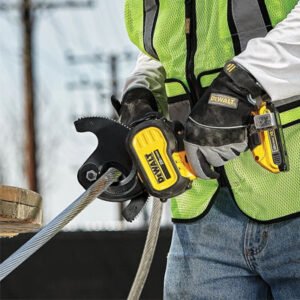
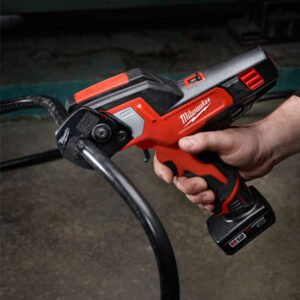




A cable cutting tool is designed specifically to sever cable cleanly and efficiently, making it an important part of an electrician's, contractor's or maintenance professional's toolkit. Unlike general-purpose pliers or ordinary diagonal cutters, dedicated cable cutters are built around the shape and construction of cable. Their cutting geometry helps control the cable as the blades close, reducing unnecessary crushing or deformation.
Canadian shoppers can choose from several types of cable cutters, including compact manual cutters, heavy-duty hand cutters, ratcheting models and battery-powered designs. The best option depends on the type of cable you work with, its conductor material and diameter, how frequently you make cuts, and how much portability or mechanical assistance you need. A small manual cutter can be ideal for occasional electrical work, while a ratcheting or cordless cutter may be more suitable for repetitive professional applications.
Manual cable cutters are simple, portable and easy to maintain. They do not require batteries, chargers or additional power equipment, which makes them practical for electricians, installers, maintenance workers and DIY users. Their performance depends heavily on leverage and the tool's intended capacity, so it is important to choose a model that comfortably handles the cable sizes you expect to encounter.
Ratcheting cable cutters use a mechanical mechanism to multiply the user's input force. Instead of requiring one large squeezing motion, the cutting process advances through smaller movements. This can make larger cable easier to cut while providing useful control. When comparing ratcheting models, consider the maximum recommended cable size, conductor compatibility, handle design, blade construction and release mechanism.
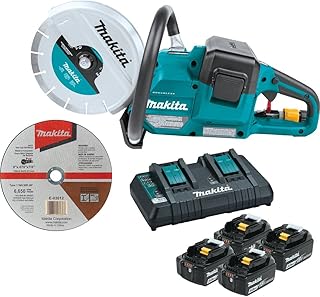
Battery-powered cable cutters can be especially useful for professionals who make numerous cuts throughout the day. Cordless operation can reduce physical effort and improve productivity without requiring a separate manual pumping system. If you already use a cordless tool platform, check whether the cutter is compatible with your existing batteries. Also verify whether a listing includes the battery and charger or supplies the tool only.
Maximum cutting capacity is one of the first specifications to check, but it should never be considered in isolation. Manufacturers may describe capacity by cable diameter, conductor size or a particular cable construction. Copper and aluminium cables can have different cutting requirements, while solid, stranded, flexible and specialised cables may behave differently during cutting.
Blade material and geometry also influence performance and durability. Dedicated cable cutters often use curved cutting profiles to help contain the cable while the blades advance. For professional use, replacement blades and service components can be valuable considerations. Ergonomics matter as well: handle shape, grip, hand clearance, weight and required force can make a noticeable difference when a tool is used repeatedly.
A cable cutter should not automatically be replaced with a bolt cutter or diagonal cutter. Bolt cutters are primarily designed for hard metal objects such as bolts and rods, while cable cutters are designed around cable construction. Diagonal cutters can work well for smaller wires and leads, but larger conductors may require considerably more leverage. Choosing the correct tool helps produce cleaner cuts and avoids using equipment outside its intended application.
Canadian shoppers should check the exact model number, specifications, included accessories and current retailer listing before purchasing. Product availability, pricing and kit contents can change, and similar product names may refer to different regional configurations. For cordless models, pay particular attention to the battery platform and whether batteries or chargers are included.
Whether you need a compact cutter for occasional DIY work or a high-capacity powered tool for demanding professional applications, the right choice should be based on your actual cable requirements rather than maximum advertised capacity alone. Compare cable material, size, construction, cutting frequency, mechanism, ergonomics and long-term serviceability to find a cable cutting tool that provides the right balance of performance, convenience and value.
Find the right cable cutting tool for clean, controlled cuts across electrical, construction, maintenance and installation work. Compare different cutter styles, capacities and features to choose a model that matches the cable material, size and frequency of use.