

♥ Wishlist
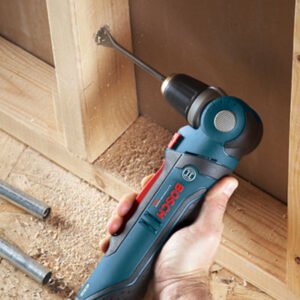
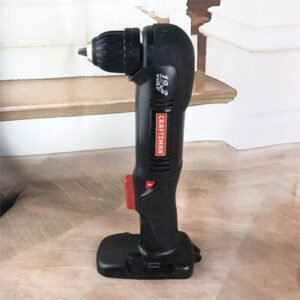
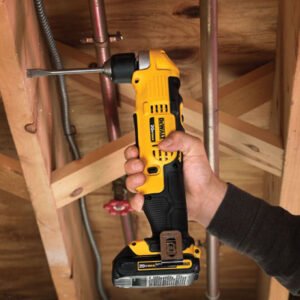
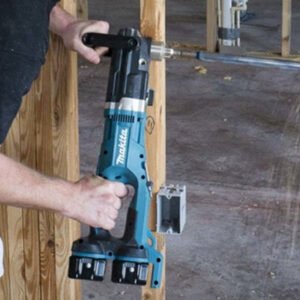
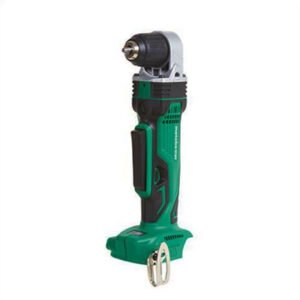
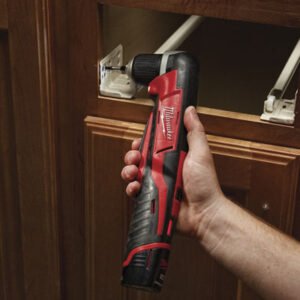
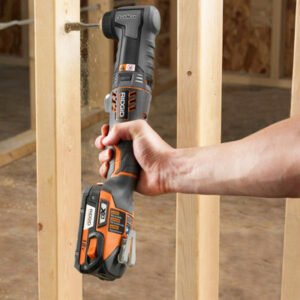
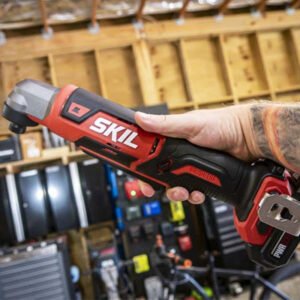


Cordless angle drills are designed for drilling and fastening where a conventional drill or driver cannot comfortably reach. Their right-angle configuration places the chuck at the end of the tool, allowing you to work between studs, joists, cabinets, appliances and other restricted areas. Because they operate from a rechargeable battery, these drills also provide convenient portability for construction sites, workshops, renovations and service work throughout Canada.
The biggest advantage of an angle drill is access. A standard drill requires room behind the chuck for the motor and battery or power connection, while a right-angle design lets the operator approach the workpiece from a much tighter position. This can make a noticeable difference when drilling through framing, installing plumbing components, routing cables or assembling cabinetry.
Cordless operation adds another layer of convenience. Without a mains cable, you can move between work areas quickly and work in locations where an electrical outlet is unavailable or inconvenient. Battery-powered models are particularly practical for renovation projects, mobile maintenance and jobs where extension cords would create additional clutter.
Check the chuck size and the types of bits you plan to use. A versatile chuck can accommodate a broad selection of drill bits and driving accessories, while a compact chuck can help maintain a slimmer profile in restricted spaces. Consider the materials you commonly work with before choosing a model.
Variable speed control gives you greater flexibility across drilling and fastening applications. Lower speeds can provide more control for demanding tasks, while higher speeds can be useful for suitable drilling operations. Torque capability is also important when working with larger fasteners or tougher materials. Match the drill's performance to the jobs you expect to perform rather than choosing specifications based on numbers alone.
If you already own cordless tools, choosing an angle drill compatible with your existing battery platform can reduce the need to purchase additional batteries and chargers. Runtime depends on the battery capacity, workload, material and operating conditions. For extended jobs, having a spare charged battery can help minimise interruptions.
A compact body is valuable when working in confined spaces, but the smallest design is not automatically the best choice for every application. Look for a balance between overall length, weight, grip comfort and control. A well-balanced tool can be easier to position accurately, particularly during repetitive overhead or awkward-angle work.
These drills are useful across many installation and repair applications. Woodworkers may use them for drilling in cabinetry and framing. Renovators can reach spaces behind walls or within structural cavities. Plumbers and electricians can benefit from the ability to drill through framing and other components where access is limited. They can also be useful for fastening in narrow compartments and performing maintenance on equipment where a conventional drill cannot be positioned effectively.
Start by identifying the materials, hole sizes and accessories you typically use. For occasional DIY projects, a compact model with practical speed control and a suitable chuck may be sufficient. Professionals who drill frequently or work with larger accessories should pay closer attention to torque, durability, battery capacity and ergonomics. If you already use a cordless tool ecosystem, battery compatibility can be one of the most important purchasing considerations.
Canadian shoppers should also consider the conditions in which the tool will be used. Outdoor construction, seasonal renovations and remote job sites can make cordless convenience particularly valuable. Keep batteries charged and follow the manufacturer's storage and operating recommendations, especially when tools are exposed to significant temperature changes.
A conventional cordless drill is generally the more versatile all-purpose option, particularly when there is sufficient room around the workpiece. A cordless angle drill specialises in accessibility. Its 90-degree layout can make a difficult drilling position considerably easier to approach. Many users therefore choose an angle drill as a complementary tool rather than a complete replacement for a standard drill or driver.
The right cordless angle drill can make awkward drilling and fastening tasks more manageable by combining compact access with cordless mobility. Compare the configuration, chuck, speed control, torque, battery compatibility, size and ergonomics before choosing a model. Whether you are working on cabinetry, framing, plumbing, electrical installation or home renovation, selecting a drill suited to the space and workload can help you work more efficiently and comfortably.
When standard drills cannot fit between joists, inside cabinets or around other obstacles, cordless angle drills provide the reach and control needed to keep working. Also known as right-angle drills, these compact power tools position the chuck or bit at 90 degrees to the motor, making them especially useful where a conventional drill is difficult to manoeuvre. Canadian DIYers, tradespeople, renovators and maintenance professionals can use cordless angle drills for drilling, fastening and installation tasks in confined areas without dealing with a power cord.