

♥ Wishlist
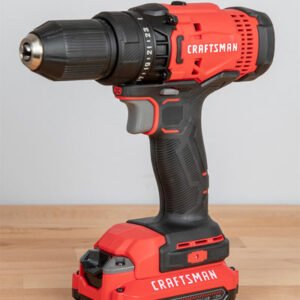
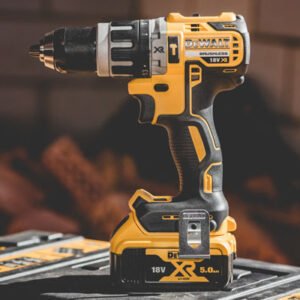
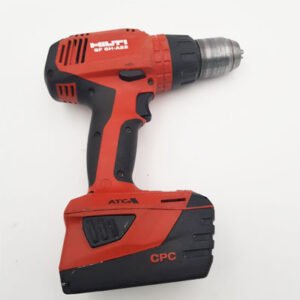
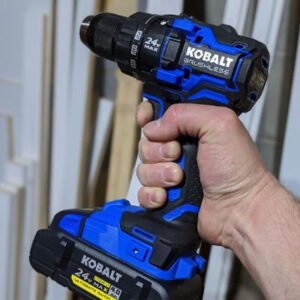
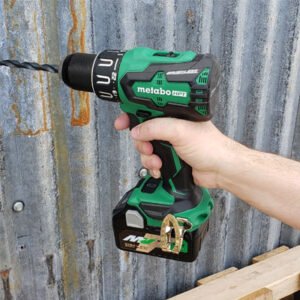
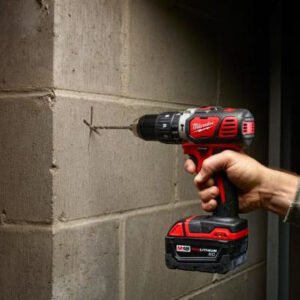
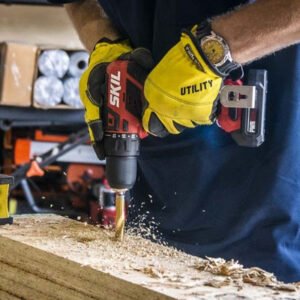

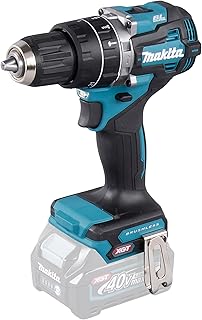


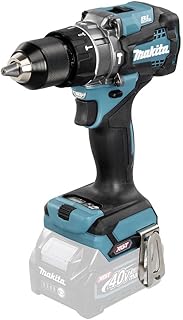

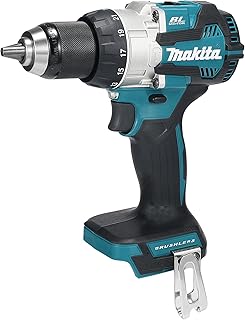
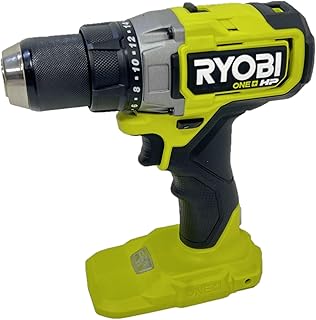

A cordless combi drill is a versatile power tool designed to handle several common drilling and fastening jobs with a single machine. Also known as a combination drill or hammer drill driver, it typically provides dedicated settings for screwdriving, conventional drilling and hammer drilling. This combination makes it useful for Canadian homeowners, DIY enthusiasts, renovators and tradespeople who want flexibility without having to switch between several different tools.
Unlike a corded drill, a cordless combi drill runs from a rechargeable battery, giving you greater freedom to work without being tied to a power outlet. This can be especially convenient when drilling outdoors, working in unfinished spaces, moving between rooms or completing repairs where mains power is not readily available. Battery-powered designs also reduce the need to manage a power cable while you work, although runtime and overall performance depend on the battery capacity, tool design and material being drilled.
The main advantage of a combi drill is its ability to cover several functions. The screwdriving mode is suited to installing and removing screws, assembling furniture and completing general fastening tasks. Adjustable clutch settings can help provide greater control when driving screws into different materials.
The standard drilling mode is intended for creating holes in materials such as wood and metal when used with an appropriate drill bit. Many models offer multiple mechanical speed ranges, allowing you to select a slower setting for controlled, higher-torque work or a faster setting for applications where speed is more important.
The hammer-drilling mode adds a percussive action that can make drilling into masonry more practical than using a standard drill setting. It can be useful for jobs such as installing fixings in brick or similar masonry. However, a combi drill is not a replacement for a dedicated rotary hammer when you need to carry out extensive heavy-duty concrete drilling.
When choosing a cordless combi drill in Canada, consider the type of work you expect to perform and compare the specifications accordingly. Voltage is one useful indicator of the tool's power class, although voltage alone does not determine real-world performance. Compact models can be convenient for lighter household work, while higher-powered options may be better suited to demanding drilling and fastening applications.
Pay attention to the battery system as well. If you already own compatible cordless tools, staying within the same battery platform can be convenient because batteries and chargers may be shared across compatible tools. Battery capacity is commonly expressed in amp-hours (Ah). Higher-capacity batteries can provide longer runtime, but they may also add weight to the tool.
The chuck size affects the range of drill bits and accessories the tool can accept. A common 13 mm chuck provides flexibility for many general-purpose applications. Keyless chucks make bit changes quick and convenient, while variable speed triggers allow you to control the drilling or fastening speed during use.
Other features worth comparing include brushless motors, built-in LED work lights, electronic braking, belt clips, auxiliary handles and adjustable torque settings. A brushless motor can offer efficiency and reduced maintenance compared with a traditional brushed design, while an LED light can improve visibility when working in darker areas.
For occasional DIY tasks and household repairs, a compact cordless combi drill can offer a useful balance of size, convenience and capability. If you frequently drill larger holes, drive long fasteners or work with tougher materials, a higher-performance model with suitable batteries and torque may be more appropriate.
Consider ergonomics and weight as well as specifications. A powerful drill can be less comfortable if you need to use it overhead or for extended periods. Look for a design that feels balanced in your hand and provides easy access to the trigger, clutch and mode selector.
For masonry work, check the manufacturer's recommendations for hammer-drilling capability and compatible accessories. Use drill bits designed for the material and application, and follow the manufacturer's operating and safety instructions. Protective eyewear and other appropriate personal protective equipment should also be used when the job requires it.
A cordless combi drill can be a practical all-rounder when you want one tool capable of handling everyday drilling, screwdriving and lighter hammer-drilling applications. Its cordless design makes it easy to move around a home, workshop, job site or outdoor project, while multiple operating modes reduce the need to carry separate tools for basic tasks.
When comparing models, focus on the features that match your actual projects rather than simply choosing the highest specification. Battery compatibility, torque, speed range, chuck capacity, comfort and intended application can all influence which drill represents the best fit. By comparing these factors, Canadian shoppers can select a cordless combi drill that provides the right combination of versatility, control and convenience.
Find a versatile cordless combi drill for DIY projects, home maintenance, renovations and general drilling work. A combi drill combines standard drilling, screwdriving and hammer-drilling functions in one convenient cordless tool, making it a practical choice when you want one drill for a wide range of tasks. Explore models and compare power, battery systems, chuck size, speed settings and useful features to find the right option for your needs in Canada.