

♥ Wishlist
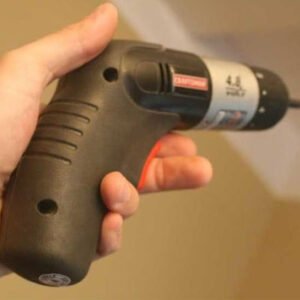
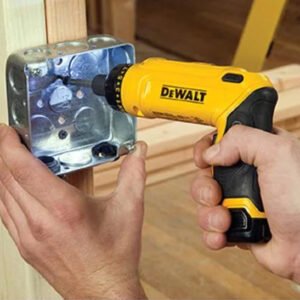
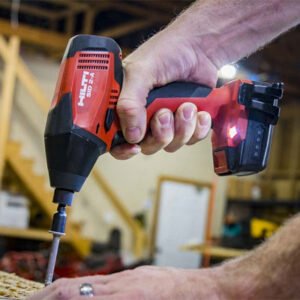
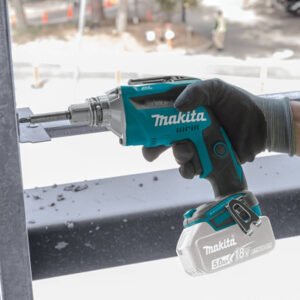
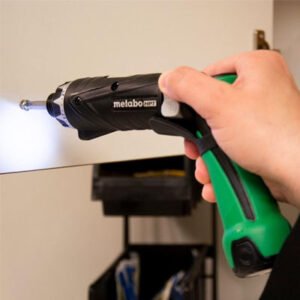
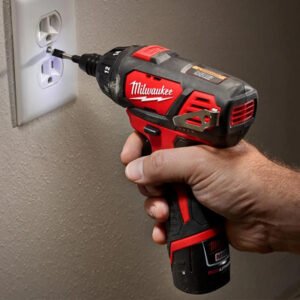


A cordless drywall screwdriver is purpose-built for driving drywall screws quickly and consistently, making it a useful addition to a renovation or construction tool kit. Unlike a general-purpose drill, a dedicated drywall screwdriver is typically designed around the repetitive fastening involved in installing drywall panels. Features such as high operating speed, adjustable screw depth, comfortable grips, and controlled triggering can make a noticeable difference when you're fastening dozens or hundreds of screws.
For Canadian shoppers, choosing the right model starts with understanding how and where you plan to use it. A homeowner completing one basement renovation may value a lightweight tool and an existing battery platform, while a professional drywall installer may prioritise speed, runtime, ergonomics, and durability. Matching the screwdriver to the scale of the work can help you avoid paying for features you do not need while still getting the performance required for your projects.
The biggest advantage of a cordless model is freedom of movement. Without a power cord running across the work area, you can move around framing, rooms, ceilings, and unfinished spaces more easily. This can be particularly convenient during renovations where access to electrical outlets may be limited. A cordless design can also reduce the need for extension cords, helping keep a busy work area more organised.
Dedicated drywall screwdrivers are also designed for repetitive fastening. Their operating characteristics can make it easier to maintain a steady workflow than when using a standard drill for every screw. Many models include a depth-control mechanism that helps prevent screws from being driven too deeply into drywall. Proper depth is important because overdriving can damage the paper surface and reduce the quality of the finished installation.
Speed: High rotational speed can be valuable when installing drywall because the job often involves a large number of fasteners. Compare the tool's stated speed and consider whether it is suited to the materials and screws you commonly use.
Depth adjustment: An adjustable nose or depth-setting mechanism can help achieve more consistent screw placement. This is especially useful for users who regularly install drywall and want predictable results across an entire panel.
Battery compatibility: If you already own cordless tools, staying within the same battery ecosystem can be convenient and economical. A tool-only option may allow you to use batteries and chargers you already have, while a kit can be more suitable if you are starting from scratch.
Ergonomics: Drywall installation can involve extended periods of repetitive work, so weight, grip design, balance, and trigger comfort matter. A tool that feels manageable after several minutes may be much more comfortable over a full working session.
Lighting and visibility: Integrated LED lighting can help illuminate fastening areas in darker rooms or unfinished spaces. Although it is not essential, it can be a useful convenience during renovations.
Think about the type of work you expect to perform before comparing individual cordless drywall screwdrivers. For occasional home projects, a compact model compatible with your existing battery system may provide the best balance of convenience and cost. For frequent drywall installation, look for a model designed for high-volume fastening, with dependable depth control, suitable speed, and an ergonomic design.
Battery voltage should not be the only specification you consider. Runtime depends on the battery capacity, tool design, workload, and fastening conditions. If you expect to work for long periods away from a charger, having a spare compatible battery can be more useful than choosing a tool solely because it has a particular voltage rating.
Use the correct screws and bits for the drywall and framing materials involved in your project. Set the screwdriver's depth control carefully and test it on a scrap piece before beginning a large installation. The goal is generally to seat the screw without unnecessarily damaging the drywall surface. Keep the tool aligned with the workpiece and maintain consistent pressure for cleaner, more repeatable fastening.
For larger jobs, organise your batteries, fasteners, and accessories before starting. Keeping compatible spare batteries charged can reduce interruptions. When working in Canadian homes and renovation environments, also account for the conditions of the workspace, including cold or unfinished areas, limited lighting, and restricted access.
The best cordless drywall screwdriver depends on your workload, preferred battery platform, working environment, and budget. Compare speed, depth control, ergonomics, battery compatibility, and included accessories to find a model that fits your needs. Whether you're tackling a single room or handling regular drywall installation, the right dedicated screwdriver can make repetitive fastening faster and more manageable.
Make drywall installation faster and more consistent with a cordless drywall screwdriver designed for repetitive fastening. Whether you're finishing a renovation, building partitions, or working on a larger construction project, a dedicated drywall screwdriver can help drive screws efficiently while giving you better control over depth and spacing.Browse cordless drywall screwdriver options with features suited to Canadian DIYers, renovators, tradespeople, and contractors. Consider the battery platform, speed, ergonomics, depth adjustment, and fastening requirements of your projects before choosing the right model.