

♥ Wishlist
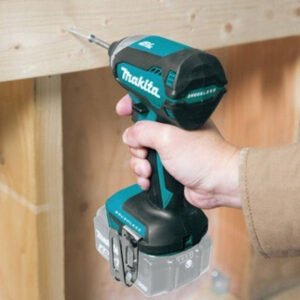
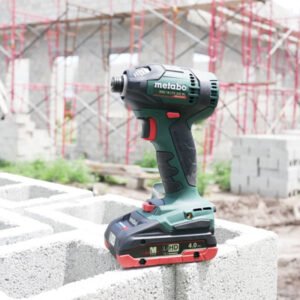
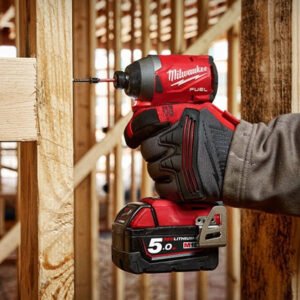
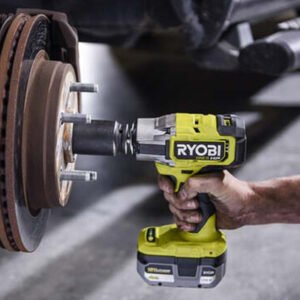
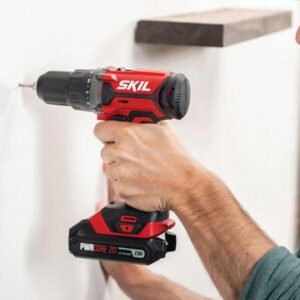

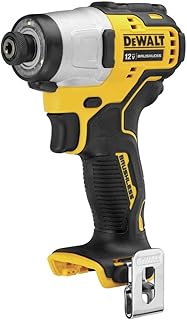


A cordless impact driver is a compact power tool designed primarily for driving screws, fasteners and bolts with controlled impact action. Unlike a conventional drill, an impact driver delivers rotational force combined with rapid impacts, helping it handle fastening tasks that can require considerable torque. For Canadian homeowners, DIYers, renovators and tradespeople, a cordless model can provide the freedom to work without being tied to an electrical outlet.
When choosing an impact driver, start by considering the type of work you regularly perform. Light-duty projects such as furniture assembly, shelving, small repairs and general home maintenance may not require the highest torque available. For decking, framing, construction, renovation and other demanding applications, a more powerful model can make repetitive fastening faster and less strenuous. The right balance of power, size and control is often more useful than simply selecting the highest specification.
Torque is one of the most important specifications to compare. Higher torque can help an impact driver deal with larger or more resistant fasteners, although maximum torque figures should not be the only deciding factor. Variable-speed control and multiple operating modes can make it easier to match the tool's output to the material and fastener.
Battery compatibility is another key consideration. If you already own cordless tools, choosing an impact driver that uses the same battery platform can be convenient and may allow you to share batteries and chargers. Battery capacity also affects runtime and overall weight. A higher-capacity battery can provide longer operation between charges, while a compact battery may make the tool lighter and easier to manoeuvre in confined spaces.
Many modern impact drivers use a brushless motor. Brushless designs can offer efficient operation, reduced maintenance requirements and strong performance, making them particularly attractive for frequent users. However, a brushed model may still be suitable for occasional household tasks when price and basic functionality are priorities.
The drive system and chuck determine which accessories you can use. Most impact drivers use a quick-change hex chuck designed for compatible hex-shank bits. This makes switching between common driving accessories fast and convenient. Before buying, check the bit compatibility required for your projects and consider whether the tool's chuck design supports the accessories you already have.
Ergonomics also matter. A compact impact driver can be easier to use overhead, inside cabinets or between framing members. A well-balanced grip can reduce fatigue during repetitive fastening. Look for features such as an integrated work light, belt hook, electronic controls and a comfortable handle if you expect to use the tool for extended periods.
A cordless drill and an impact driver perform overlapping but different roles. A drill is generally the more versatile choice when you need to drill holes and drive a broad range of fasteners. An impact driver is especially useful when driving long screws, structural fasteners or other applications where increased rotational force is beneficial.
For many tool users, owning both provides the greatest flexibility. The drill can handle drilling and precision fastening, while the impact driver can take on high-torque driving jobs. If you are building a cordless tool collection from scratch, consider the materials, fasteners and frequency of use associated with your typical projects before deciding which tool should come first.
Canadian shoppers should consider the complete package rather than focusing only on the tool itself. Check whether a model is sold as a bare tool or as a kit with batteries and a charger. A bare tool can be a cost-effective choice if you already have compatible batteries, while a kit may be more convenient for someone entering a particular battery platform.
Also consider where and how you will use the impact driver. Renovation and construction work can involve prolonged use, awkward positions and demanding materials, making runtime, ergonomics and durability particularly important. For occasional household jobs, a compact and reasonably powered model may be easier to handle and more economical.
Before purchasing, compare specifications, included accessories, battery requirements and overall design. Think about the fasteners you use most often, the materials you work with and how frequently the tool will be used. Selecting an impact driver around those real-world requirements can help you get useful performance without paying for features you are unlikely to need.
Whether you need a compact tool for weekend projects or a capable impact driver for regular trade work, comparing the available options carefully can help you find a practical addition to your cordless tool collection. Focus on power, control, battery compatibility, ergonomics and intended applications to choose an impact driver that fits the way you work.
Find a cordless impact driver suited to your next project, whether you are tackling home improvements, assembling structures, installing fixtures or handling demanding fastening work. Cordless impact drivers combine compact handling with high torque and are designed for efficient screw and bolt driving without a power cord. Compare important features such as torque, speed, battery platform, chuck design, size and ergonomics to find a model that fits your work.
Primary: Commercial investigation and transactional
Secondary: Product comparison, application research and purchase consideration