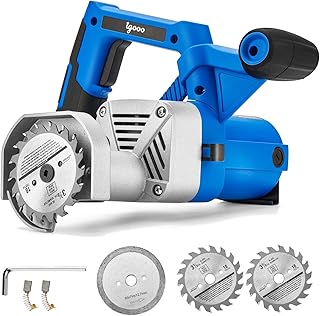

Explore cordless power tools, kits, batteries, chargers, accessories and related equipment available to Canadian shoppers. Compare product options and follow useful buying guides before you buy.
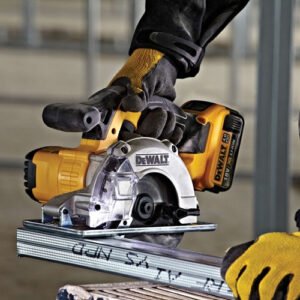
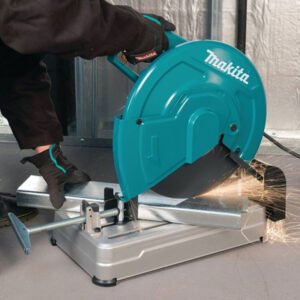
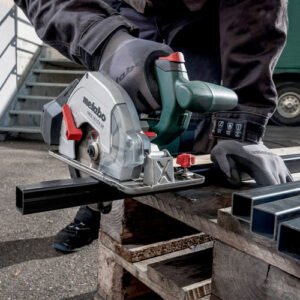


A cordless metal cutting saw can be a practical choice when portability, fast setup and freedom from extension cords matter. However, the right saw depends heavily on the material being cut, the thickness of the stock, the frequency of use and the battery platform already available in your workshop. A saw intended for occasional sheet-metal work is not necessarily the best choice for repeated cuts through structural steel, tubing or threaded rod.
For Canadian buyers, it is also worth considering the environment in which the tool will be used. Outdoor fabrication, construction and renovation work can involve cold temperatures, wet conditions, limited access to electrical outlets and long periods away from a charging station. These factors make battery compatibility, spare-battery availability and overall tool ergonomics important parts of the purchasing decision.
Rather than choosing solely by advertised blade size or no-load speed, compare the complete cutting system. The saw, blade, battery, guard arrangement, cutting capacity and intended material all influence how useful the tool will be in real applications.
Metal-cutting saws can cover a wide range of applications, from light fabrication to construction and mechanical work. Before buying, identify the materials you expect to cut most frequently.
One of the most important buying considerations is the blade. A powerful cordless saw fitted with an unsuitable blade can deliver disappointing results, while an appropriately matched blade can make a substantial difference in cutting quality and efficiency.
When comparing a cordless metal cutting saw, determine what blade type it accepts and whether replacement blades are readily obtainable in Canada. Consider the blade diameter, arbor specification, tooth configuration, tooth count and intended material. Do not assume that every blade with the same diameter is appropriate for every metal-cutting application.
Metal-cutting saws may use different cutting technologies. Abrasive wheels remove material through abrasion and can be suitable for certain cutting applications, but they can generate considerable heat, sparks and debris. Carbide-tooth metal-cutting blades use cutting teeth and can offer a different cutting experience, particularly when the blade is properly matched to the material.
The distinction should be considered when comparing tools because the cutting system influences heat generation, debris, blade life, finish and operating technique. The most appropriate system depends on the work rather than on a single specification.
Tooth count should be evaluated alongside material thickness and blade design. A higher tooth count is not automatically better for every metal-cutting job. The manufacturer’s recommended blade configuration should take priority over generic rules because tooth geometry, carbide formulation and blade construction vary between products.
For buyers comparing replacement blades, brands such as Diablo and Lenox are worth including in a specification comparison, provided the particular blade is explicitly rated for the intended saw and material.
Specifications are most useful when they are interpreted in the context of the job. A higher number on one specification does not necessarily mean a better overall tool.
Blade diameter affects the potential cutting capacity and the physical dimensions of the saw. Common categories include compact saws designed for portability and larger models intended for greater cutting capacity. Always check the manufacturer's stated maximum cutting dimensions rather than estimating capacity from blade diameter alone.
No-load RPM describes how quickly the blade or wheel rotates without cutting a workpiece. It should not be treated as a direct measure of real-world cutting performance. A saw's performance under load depends on its motor, power management, battery condition, blade design, material and cutting technique.
Cutting capacity is one of the most useful specifications for commercial investigation. Check capacity for the actual shapes you plan to cut, such as round tube, square tube, rectangular stock, angle material or flat stock. Capacity can vary according to the orientation of the workpiece and the type of material.
Battery voltage can help distinguish tool classes, but voltage alone does not establish cutting performance. More importantly, buyers should consider whether the saw belongs to a battery platform they already own.
For example, someone already invested in a compatible Milwaukee, DeWalt, Makita, Bosch, Metabo HPT or Ryobi battery system may place considerable value on buying a bare tool rather than starting a second battery ecosystem. Confirm exact compatibility because battery platforms are not universally interchangeable simply because their nominal voltages appear similar.
A higher amp-hour battery can provide greater stored energy, but it can also add weight and change the balance of a handheld saw. For repetitive cutting, having a second compatible battery may be more useful than selecting the physically largest battery available.
When comparing kits, determine whether the listed configuration includes the battery, charger, carrying case or other accessories. Bare-tool and kit pricing should never be compared as though they contain identical contents.
Cordless metal cutting saws rely on battery power and electronic control to deliver useful cutting performance. The motor design, electronics and battery all work together, so it is misleading to judge a tool solely by motor terminology.
For demanding applications, look for manufacturer-documented information concerning overload protection, electronic speed control, braking and other control systems. These features can affect usability and operating characteristics, but the value of each feature depends on the intended workload.
Brushless motor technology is common across professional cordless tool ranges. Its presence can be a useful comparison point, but it should be considered alongside cutting capacity, ergonomics, battery compatibility, warranty terms and the overall tool specification rather than treated as the only deciding factor.
Metal cutting can involve repetitive movements, awkward positions and long periods of tool handling. A saw that looks excellent on paper can be uncomfortable if its grip, trigger, weight distribution or sightline does not suit the user.
Metal cutting produces hazards that should be taken seriously. Depending on the tool and material, the cutting process can produce sharp fragments, hot particles, sparks, dust or other debris. Read the manufacturer's safety instructions before operating any saw.
When comparing products, examine the design and documentation for features such as blade guards, electric brakes, spindle-lock systems, lock-off controls and overload protection where applicable. These features should supplement safe working practices rather than replace them.
Use appropriate eye and hearing protection and follow the manufacturer's requirements for personal protective equipment. Secure the workpiece before cutting, keep hands away from the cutting path and make sure the blade or wheel is suitable for the material.
Outdoor cutting also requires attention to the surroundings. Sparks can ignite combustible materials, while metal chips can travel beyond the immediate cutting area. Establish a suitable work zone before beginning a cut.
Canadian buyers should compare more than the headline tool price. The true cost of ownership can include batteries, chargers, replacement blades, maintenance items and accessories.
If you already own cordless tools, staying within the same platform can reduce the need to purchase another charger and battery family. Conversely, if this is your first cordless tool, compare the long-term ecosystem rather than choosing a saw based only on the lowest initial kit price.
A saw is only as useful as the consumables you can obtain for it. Before purchasing, verify the exact blade specification, compatible materials and replacement options. Check whether the blades you need are commonly stocked by Canadian retailers.
Warranty coverage can vary by manufacturer, product line and purchase conditions. Review the current Canadian warranty documentation before buying rather than relying on general statements about a brand's warranty. Also check whether the specific model has an identifiable Canadian service or support pathway.
Do not assume that a tool sold under an international model number has identical specifications, included accessories or warranty conditions in Canada. Compare the exact Canadian model designation and kit contents where possible.
The best cordless metal cutting saw for a homeowner performing occasional repairs may be very different from the best choice for a fabricator, electrician, plumber, HVAC installer or construction professional.
Prioritize manageable weight, straightforward operation, reasonable cutting capacity and compatibility with batteries you already own. If the saw will only be used occasionally, paying for features intended for continuous professional workloads may not provide the best value.
Portability becomes more important when the work takes place on job sites. Consider battery runtime, access to spare batteries, visibility of the cut, durability and ease of transporting the tool between work areas.
Frequent fabrication puts greater emphasis on repeatability, blade cost, cutting capacity, ergonomics and the ability to maintain consistent performance over many cuts. Consumable availability can become a major part of the operating cost.
A cordless saw is not automatically the correct solution for every metal-cutting task. A portable band saw, chop saw, angle grinder, reciprocating saw or stationary metal-cutting machine may be more appropriate depending on the workpiece and required finish.
Choosing the correct tool category before comparing individual models can prevent an expensive purchase that does not match the intended application.
Use the following checklist when comparing two or more models. Record the manufacturer's specifications for each model rather than relying on marketing descriptions.
A high no-load speed can look impressive, but cutting performance involves much more than rotational speed. Blade construction, motor control, battery output, material and cutting technique all matter.
Some buyers spend most of their research time comparing saws while paying little attention to the consumable. This can make it difficult to achieve the expected result, especially when cutting different grades and types of metal.
Extra cutting capacity can be useful, but a larger saw may add weight and cost. If your normal work involves small tubing or thin stock, a compact model may be more practical.
The opposite mistake can be equally frustrating. If your projects routinely exceed the saw's specified capacity, repeated repositioning or alternative cutting methods may reduce productivity.
A low bare-tool price can be misleading if you do not already own the required battery and charger. Compare the complete investment needed to put the saw into working condition.
Blade diameter alone is not sufficient. Check arbor dimensions, blade compatibility, maximum rated speed and the manufacturer's approved application before installing a replacement blade.
Even a capable saw can perform poorly when the material moves during cutting. A stable workpiece and suitable support arrangement are essential for controlled cutting.
Customer reviews can help identify recurring usability concerns, but they should be read alongside manufacturer specifications. A review describing a tool as "powerful" is less useful than a review explaining the material, thickness and application involved.
When reading verified customer feedback, look for comments about battery life, ergonomics, blade changes, guard operation, cutting capacity and long-term usability. Give less weight to reviews that do not explain how the product was used or that make broad claims without supporting details.
It is also useful to compare reviews across several retailers rather than treating a single rating as a complete assessment. Ratings can change over time and may represent different versions or kits of a product.
The purchase price is only one part of the cost of owning a cordless metal cutting saw. A more useful comparison considers the equipment and consumables required over the expected life of the tool.
A model with a higher purchase price can sometimes make more sense when it fits an existing battery system and the buyer already owns compatible chargers and batteries. Conversely, an inexpensive tool can become less attractive when a complete new battery ecosystem is required.
Proper storage can help preserve both the saw and its consumables. Keep the tool clean and dry, inspect guards and controls regularly, and follow the manufacturer's maintenance schedule.
Metal chips and dust should not be allowed to accumulate around ventilation openings, moving components or controls. Follow the manufacturer's cleaning instructions and disconnect the battery before carrying out cleaning or maintenance that requires the tool to be inactive.
Inspect cutting accessories before use. A damaged, excessively worn or otherwise unsuitable blade should not be used. Replacement accessories should meet the exact requirements specified for the saw.
Store lithium-ion batteries according to the battery manufacturer's instructions. Avoid exposing batteries to conditions outside their specified operating or storage ranges. Before outdoor work in Canadian winter conditions, consult the battery and tool documentation regarding temperature limitations and charging requirements.
Cut quality depends on technique as well as equipment. Secure the material firmly, mark the cut accurately and position the saw so that the blade enters the material in a controlled manner.
Allow the cutting accessory to do the work rather than forcing the saw through the material. Excessive pressure can affect control and may increase stress on the tool and cutting accessory. Use the cutting speed and technique recommended by the manufacturer for the material.
For repeated cuts, consistent workpiece positioning can improve repeatability. A suitable guide, stop or fixture may be useful where appropriate, provided it does not interfere with the saw's guard or create an unsafe operating condition.
Several established power-tool brands offer cordless platforms that may be relevant when researching metal-cutting equipment. The most suitable brand depends on the exact model, battery platform and intended application, so buyers should compare individual specifications rather than choosing solely by brand reputation.
Brand selection should always come after determining the required cutting capacity, material compatibility, battery system and intended frequency of use.
There is no single model that is best for every Canadian buyer. The right choice depends on material, cutting capacity, frequency of use, battery platform, ergonomics and budget. Compare the exact specifications of the models that match your application before choosing.
Many saws are designed for specific metal-cutting applications, but suitability depends on the individual model and blade. Check the manufacturer's documentation to confirm the approved materials and maximum cutting capacity.
A bare tool can make sense if you already own compatible batteries and a charger. A complete kit may be more practical if you are entering a new battery platform. Compare the total cost of the equipment required to use the saw.
A brushless motor can be a useful feature when comparing cordless tools, but it should not be the sole purchasing criterion. Cutting capacity, battery compatibility, ergonomics, blade compatibility and the manufacturer's intended application are equally important.
Not necessarily. A larger blade can support greater cutting capacity in some designs, but it may also increase tool size and weight. Choose a blade size based on the dimensions of the material you actually need to cut.
Battery capacity affects available stored energy, but the ideal battery depends on the tool and workload. A larger battery may increase runtime while also increasing weight. For frequent cutting, a second compatible battery may provide more practical flexibility than using only one large pack.
No. The blade must meet the saw's dimensional, speed and application requirements. Verify diameter, arbor specification, maximum rated speed and material compatibility before selecting a replacement blade.
Some cordless saws can be appropriate for professional applications, but suitability depends on workload, material, cutting volume and required precision. For continuous production work, compare cordless models with stationary and other specialized cutting equipment.
Start with a saw and blade explicitly intended for stainless-steel applications. Pay attention to the manufacturer's recommendations for blade selection, cutting technique and workpiece support. Stainless steel can behave differently from mild steel, so generic metal-cutting assumptions may not apply.
Cordless operation can be convenient where electrical outlets are unavailable, but outdoor use introduces additional considerations such as temperature, moisture, battery storage and work-area safety. Follow the manufacturer's operating and temperature guidance for the tool and battery.
Start with cutting capacity and material compatibility, then compare battery platform, complete operating weight, blade specifications, ergonomics, safety features, kit contents and long-term consumable costs. This provides a more useful comparison than focusing on a single headline specification.
The strongest cordless metal cutting saw choice is the one that matches the work rather than simply having the most impressive specification sheet. Before buying, define the materials and dimensions you cut most often, establish whether your existing battery platform can support the purchase, and compare the complete operating cost.
For occasional DIY work, compactness and platform compatibility may matter most. For construction and renovation, portability, runtime and durability can become more important. For regular fabrication, cutting capacity, blade compatibility, ergonomics and consumable costs deserve greater attention.
When comparing products available to Canadian consumers in 2026, verify the exact model number, included accessories, current specifications, warranty conditions and retailer information before making a purchase. Product availability, pricing and kit contents can change, so current retailer listings should be checked at the time of purchase.
A careful comparison should ultimately answer three questions: Can the saw safely handle the material I need to cut? Can my battery setup support the workload? and Will the complete ownership cost make sense for how frequently I will use it? If the answer to all three is yes, the model is much more likely to be a sensible fit for your workshop or job site.