

♥ Wishlist
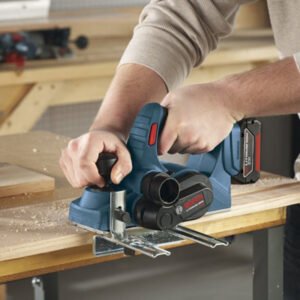
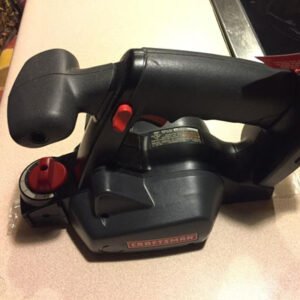
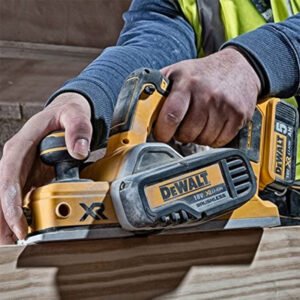
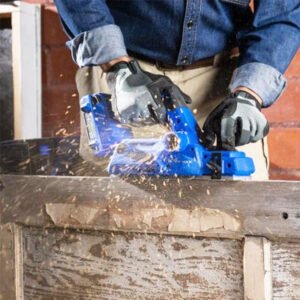
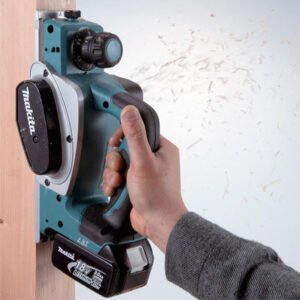
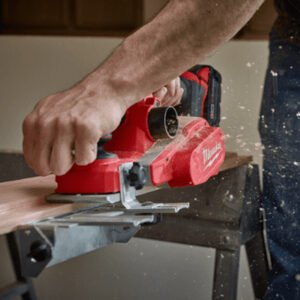
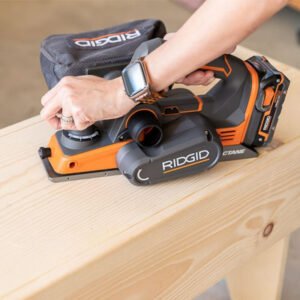


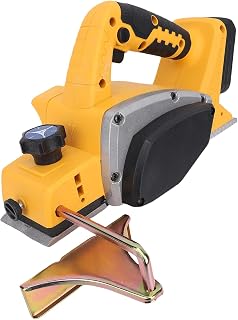


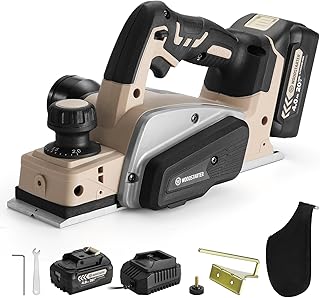
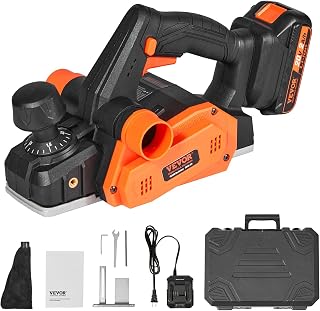
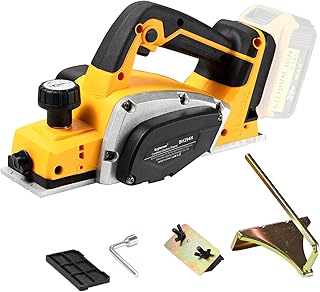


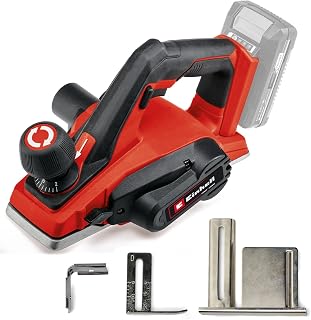


A cordless planer is a portable power tool used to remove a controlled amount of material from a wooden surface. Unlike a corded planer, it runs from a rechargeable battery, eliminating the need to work close to an electrical outlet or manage an extension cord. This makes cordless models particularly useful for construction sites, renovations, workshops and outdoor woodworking projects where mobility matters.
When choosing a cordless planer in Canada, start by considering the type of work you expect to perform. Planing doors and other large pieces of timber may require a tool with a generous cutting width and strong material-removal capability, while smaller woodworking tasks can benefit from a more compact and manoeuvrable design. A wider planer can cover more surface with each pass, whereas a lighter model may be easier to control during detailed work or extended use.
Cutting depth is another important specification. The maximum depth determines how much material the planer can remove in a single pass. For routine trimming and fine adjustments, a shallow setting can provide greater control and help produce a smoother finish. Deeper cuts can speed up material removal when working with uneven timber, but they generally require more power and careful handling. Look for a planer with an easy-to-adjust depth setting so you can match the tool to the job.
Battery compatibility can also influence your buying decision. If you already own cordless tools, choosing a planer from the same battery platform may allow you to share batteries and chargers across compatible products. This can reduce the need to maintain separate charging systems and can make it easier to keep a spare battery available for demanding jobs. Battery capacity is worth considering as well, particularly when the planer will be used continuously away from a mains power source.
Planing width affects how quickly you can cover a board, while adjustable cutting depth gives you control over the amount of material removed. Consider both specifications together rather than focusing on maximum capacity alone.
Planing produces wood chips and dust, so an effective chip-ejection system can help keep the work area more manageable. If you regularly work indoors, consider compatibility with suitable dust extraction equipment where available.
A cordless planer should feel stable and controllable in your hands. Handle design, overall weight and balance can make a noticeable difference when making repeated passes or working on larger boards. A well-balanced tool can also make it easier to maintain consistent pressure across the material.
For homeowners and DIY users, a cordless planer can be useful for tasks such as adjusting sticking doors, restoring timber surfaces, fitting boards and carrying out general renovation work. Professionals may place greater emphasis on durability, runtime, cutting performance and compatibility with an existing battery ecosystem. Construction and renovation trades can also benefit from the freedom to move between rooms, work areas or job sites without searching for a nearby power outlet.
Wood selection and preparation still matter regardless of the planer you choose. Inspect timber for nails, screws, staples and other embedded objects before planing. Secure the workpiece firmly and make sure the cutting area is clear. Taking a series of controlled passes is often preferable to attempting to remove a large amount of material at once. Follow the manufacturer's instructions for blade maintenance, battery use and safe operation.
Comparing several models can help you find the right balance of portability, power, capacity and value. Pay attention to planing width, maximum cutting depth, battery system, tool weight, adjustment controls and chip-ejection features. If replacement blades or other accessories are required for your intended work, availability should also be part of the decision.
For Canadian shoppers, it is useful to consider how the planer fits into your wider collection of cordless equipment. A model that uses batteries you already own may offer practical advantages, while a new battery platform could make sense if its wider range of compatible tools better suits your future projects. Think about both your immediate woodworking needs and the type of work you expect to undertake over time.
Whether you are a DIY enthusiast preparing timber in the garage or a professional carpenter working on a renovation site, the right cordless planer can provide a convenient combination of portability and controlled material removal. Compare the available specifications and features carefully to choose a planer that matches your workload, materials and preferred working style.
Get smooth, consistent results without being restricted by a power cord. Cordless planers are designed for trimming, levelling and sizing timber while giving Canadian DIYers, renovators and professional tradespeople the freedom to work wherever the job takes them. Whether you are fitting doors, preparing framing timber, refining rough boards or completing detailed woodworking projects, choosing the right cordless planer can make material preparation faster and more convenient.
Primary: Commercial investigation
Secondary: Transactional