

Explore cordless power tools, kits, batteries, chargers, accessories and related equipment available to Canadian shoppers. Compare product options and follow useful buying guides before you buy.
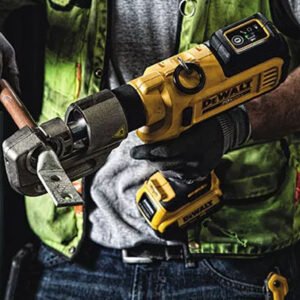
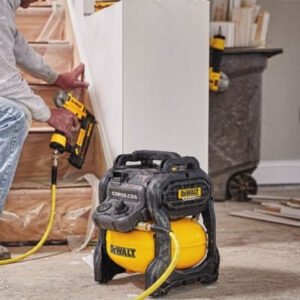
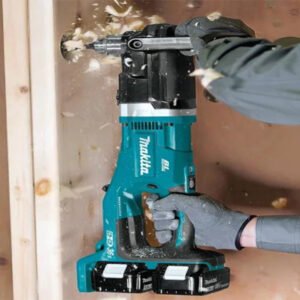
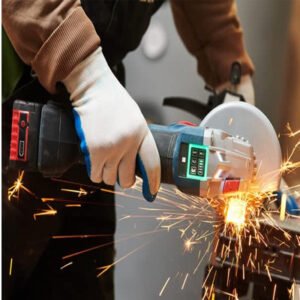
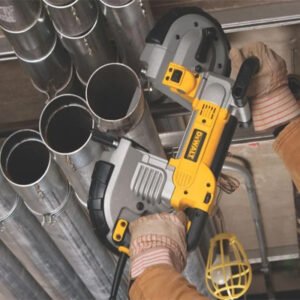
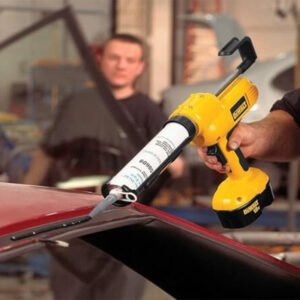
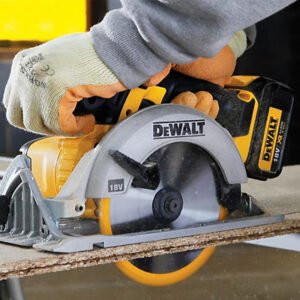
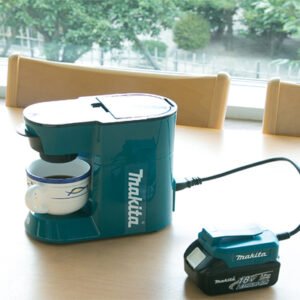
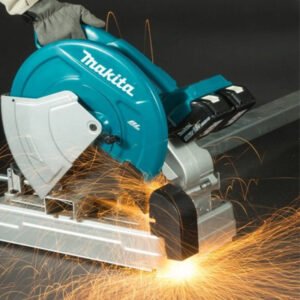
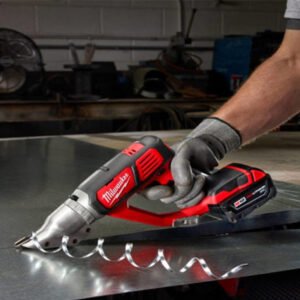
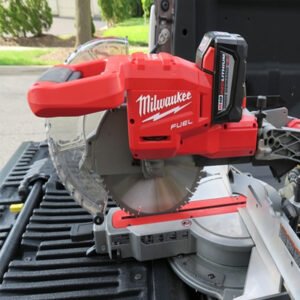
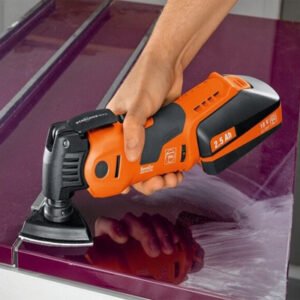


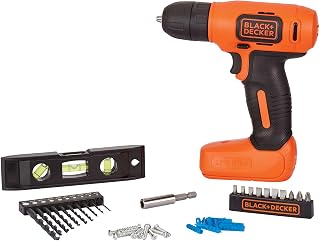


Choosing the best cordless power tools is not simply a matter of selecting the highest voltage or the most popular brand. The right tool depends on the work you expect it to perform, the materials involved, how frequently you will use it, the batteries already in your workshop, and the availability of compatible tools in the same battery platform. For Canadian buyers, winter temperatures, local electrical standards, retailer availability and the distinction between tool-only and complete kits can also affect the practical value of a purchase.
A good cordless power tool should provide an appropriate balance of power, runtime, control, durability, ergonomics and overall platform compatibility. Established manufacturers such as DeWalt, Milwaukee, Makita, Bosch, Ryobi and Ridgid offer extensive cordless ecosystems, while brands such as Craftsman and Metabo HPT provide additional choices across different price and performance categories.
Before comparing individual models, it helps to understand the specifications that actually matter. Voltage, torque, brushless motors, battery capacity, charging technology and included accessories can all influence performance, but none should be evaluated in isolation.
The battery platform is one of the most important long-term considerations. Once you own several batteries and chargers from one system, adding another compatible tool can be considerably more convenient than starting a completely separate platform.
Look beyond the name printed on the battery. A manufacturer's cordless range may contain several voltage classes or battery families that are not interchangeable. A compact drill battery, for example, may not fit a high-output saw even when both products carry the same brand name.
Before buying a tool-only product, confirm that your existing batteries are compatible with the exact model. If you are entering a platform for the first time, compare the cost and availability of batteries, chargers and future tools rather than evaluating the initial tool price alone.
Higher nominal voltage can support demanding applications, but it does not automatically make one tool better than another. Motor design, gearing, electronic controls, battery output capability and tool efficiency all influence real-world performance.
Compact 12V-class systems can be particularly useful for drilling, fastening, cabinetry, installation work and other applications where low weight and precise control are more valuable than maximum power. Larger 18V or 20V-class systems are common for general construction, renovation and heavier-duty applications.
Some manufacturers use different terminology for comparable battery-system voltage classes. Compare the actual specifications and intended application instead of assuming that a larger number always represents superior performance.
Battery capacity is commonly expressed in ampere-hours, or Ah. In general, a higher Ah rating can provide more stored energy, but the relationship between capacity and runtime depends on the tool, workload, battery technology and operating conditions.
A larger battery can also increase tool weight. That trade-off matters for drills, impact drivers, sanders and overhead tools that may be used continuously. For a circular saw or reciprocating saw performing demanding cuts, additional battery capacity may be more attractive than it is for occasional fastening.
When comparing batteries, consider both capacity and the manufacturer's high-output battery options. Some platforms offer batteries designed to deliver greater power under demanding loads, while compact packs may prioritize lower weight and portability.
Brushless motors have become common across mid-range and premium cordless tools. They eliminate conventional carbon brushes and can provide advantages in efficiency, electronic control, heat management and motor longevity.
That does not mean every brushed tool is a poor purchase. A simple brushed drill or saw may still be entirely appropriate for occasional household work, especially when its lower purchase cost is important. The decision should reflect expected workload rather than treating brushless technology as an absolute requirement.
Torque matters for fastening and other applications that require rotational force, while speed affects drilling, driving and cutting efficiency. Variable-speed triggers and multiple mechanical or electronic settings can provide more useful control than a single maximum-speed specification.
For a drill or impact driver, look at the available speed ranges, clutch settings, chuck type, impact mechanism and control electronics. For saws and grinders, consider no-load speed together with blade or disc compatibility and the ability to control the tool during material engagement.
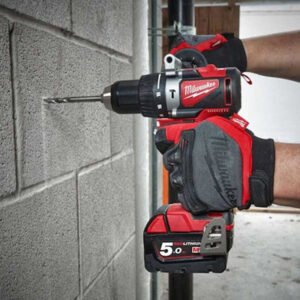
A drill is often the foundation of a cordless tool collection. Standard drills are suitable for drilling and driving applications, while hammer drills add an impact action for drilling into masonry and similar materials.
For general household use, a compact drill can be easier to handle in confined spaces. For renovation and construction, a more powerful brushless hammer drill may provide a broader range of capability.
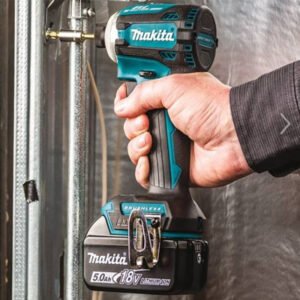
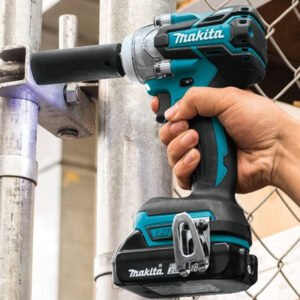
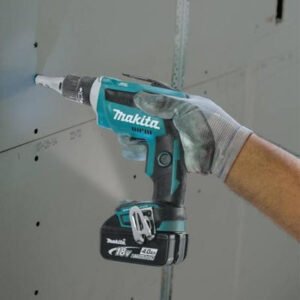
Impact drivers are designed primarily for driving screws, construction fasteners and other applications requiring substantial rotational force. Their compact nose and impact mechanism can make them particularly useful for repetitive fastening.
They are not necessarily a replacement for a drill. An impact driver generally provides less suitability for delicate drilling and precision fastening, while a drill offers a broader range of clutch-controlled applications.
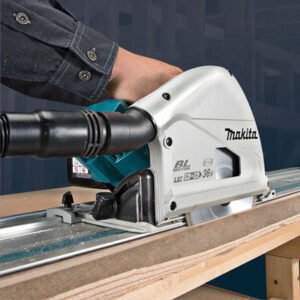
A cordless circular saw can be an excellent choice for construction, framing, decking, shelving and renovation work where mobility is important. When comparing models, consider blade diameter, cutting capacity, bevel range, visibility of the cut line, ergonomics and battery requirements.
Check whether the saw is configured for left- or right-handed blade positioning and whether its design provides a comfortable sightline for your preferred cutting style. Also consider whether the tool is sold with a blade, battery and charger or as a bare tool.
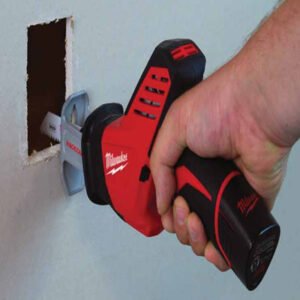
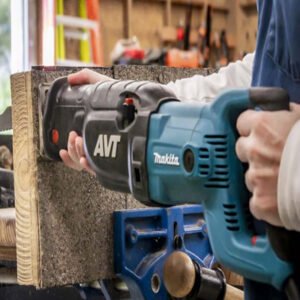
Reciprocating saws are useful for demolition, pruning and rough cutting where versatility is more important than an exceptionally clean finish. Their performance depends heavily on blade selection as well as motor power.
Look for variable-speed control, a comfortable grip, tool-free blade changes and a shoe that provides stable contact with the material. If the tool will be used for extended demolition work, vibration and overall weight deserve particular attention.
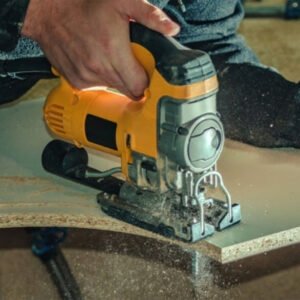
A jigsaw is suited to curved cuts, cut-outs and detailed woodworking. Important considerations include orbital-action settings, variable speed, blade compatibility, base-plate stability and visibility around the cutting area.
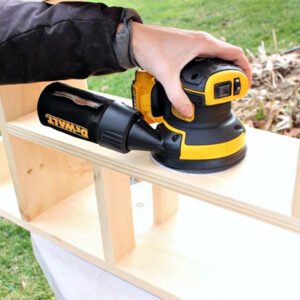
Random orbital sanders and other cordless sanders can remove the inconvenience of managing a power cord around a workpiece. Runtime and dust management are especially important because sanding can be continuous rather than intermittent.
Compare dust-collection compatibility, pad size, speed control and grip design. For large projects, owning multiple batteries can be more useful than choosing a tool with the highest possible speed.
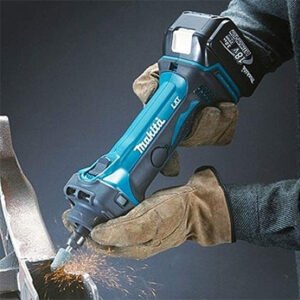
Angle grinders are versatile tools for cutting, grinding and surface preparation. Because they can consume substantial battery power, battery capacity and output capability are important factors.
Pay particular attention to guard configuration, spindle-lock design, switch arrangement, disc compatibility and the manufacturer's safety instructions. Appropriate eye, hearing, hand and other protective equipment should be selected for the specific task.
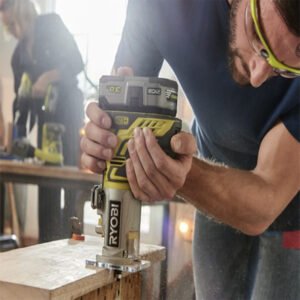
An oscillating multi-tool can perform a wide range of smaller cutting, scraping, sanding and trimming tasks. It is particularly useful for renovation work where access is limited.
Blade and accessory compatibility is an important buying consideration. Compare the included accessories and attachment system, because an inexpensive bare tool can become less economical if many additional accessories are required.
Some cordless platforms extend beyond workshop tools into outdoor equipment such as trimmers, blowers, chainsaws and lawn equipment. This can make battery-platform consolidation especially attractive for homeowners.
Outdoor tools can have substantially different power requirements from drills and drivers. Before assuming that an existing battery is suitable, check the manufacturer's compatibility information for the exact tool and battery combination.
A multi-tool kit can be an efficient way to establish a battery platform. Kits commonly combine a drill or impact driver with one or more additional tools, batteries and a charger.
However, kit contents vary considerably. Compare the exact tools included rather than judging a kit by its advertised number of pieces. A kit containing several low-priority accessories may be less useful than a smaller package containing the tools you use most often.
A bare tool, sometimes called a tool-only product, can be the better choice when you already own compatible batteries and a charger. It avoids accumulating duplicate charging equipment and can reduce the upfront cost.
For a new user, however, the cheapest advertised bare-tool price can be misleading. The real starting cost includes at least one suitable battery and charger, and demanding tools may benefit from higher-capacity or high-output batteries.
Compare the complete ownership cost rather than the headline price. This is particularly important when building a collection over several years.
Modern cordless power tools predominantly use lithium-ion battery technology because it provides a useful combination of energy density, weight and performance. Battery packs contain electronic protection and control components that work with the tool and charger.
Use only batteries and chargers approved for the specific platform. Do not attempt to modify packs, bypass protection electronics or combine incompatible components.
Cold temperatures can affect lithium-ion battery performance. A battery that feels extremely cold should not automatically be put straight into demanding use or charging. Follow the battery manufacturer's instructions regarding acceptable operating and charging temperatures.
For garages, workshops and job sites exposed to Canadian winter conditions, storage and charging practices deserve particular attention. Keep batteries protected from extreme temperatures and moisture, and consult the manufacturer's instructions for the exact storage conditions.
The ideal number depends on how many tools are being used simultaneously and how demanding the work is. A homeowner who occasionally drills and drives may be comfortable with a small battery collection, while a professional using several tools throughout the day may need multiple packs.
Having different battery capacities can be useful. Compact packs reduce weight for short jobs, while larger packs can extend runtime for high-demand tools.
Professional-grade tools are generally designed around more demanding workloads, but buying professional equipment is not automatically the best choice for every homeowner. The appropriate level depends on frequency of use, expected workload, ergonomics, durability requirements and budget.
For occasional furniture assembly, hanging shelves or basic maintenance, an appropriately specified consumer or prosumer tool may be sufficient. Frequent renovation, construction, framing or trade work places different demands on the equipment.
Brands such as Milwaukee, DeWalt and Makita have extensive professional-oriented ecosystems. Ryobi is widely associated with broad homeowner-focused cordless options, while Bosch, Ridgid, Craftsman and Metabo HPT provide additional systems spanning different applications and user requirements.
Specification sheets can contain a large amount of information, but not every number has equal practical importance. Start by identifying the application's limiting factor.
A powerful tool can still be the wrong choice if it is uncomfortable or difficult to control. Weight distribution is often more important than the absolute weight printed in a specification sheet.
Look at handle shape, trigger placement, balance around the battery, grip material and visibility of the working area. For overhead work, a compact tool can reduce fatigue. For ground-level cutting, a larger battery may be acceptable if it meaningfully improves runtime.
If possible, compare the physical dimensions and battery position of competing models before purchasing. Two tools with similar headline specifications can feel very different in actual use.
An inexpensive first tool may appear attractive, but the long-term cost can increase if compatible batteries and chargers are expensive or if the platform does not contain the tools you eventually need.
Maximum output is not always an advantage. A heavier high-output tool can be unnecessarily tiring for light-duty work. Choose power based on the material, fasteners and workload rather than the largest specification available.
Tool-only pricing should never be compared directly with a complete kit price without accounting for the battery and charger required to operate the bare tool.
Battery compatibility should be verified at the exact model and platform level. Do not assume that batteries sharing a brand name can automatically be used across every voltage class.
Blades, bits, sanding discs and other consumables can represent a meaningful part of ownership cost. Check the accessory standard and availability before committing to a tool.
Customer ratings can provide useful purchasing signals, but ratings alone do not establish that a tool is appropriate for a particular application. Read verified customer feedback for recurring issues involving battery life, ergonomics, durability, controls and compatibility, then compare those observations against the manufacturer's specifications.
Start with the tools you use most frequently rather than attempting to purchase an entire workshop at once. For many homeowners, a drill and impact driver provide a practical foundation. A circular saw, oscillating multi-tool or reciprocating saw can then be added according to the projects undertaken.
Choose a platform with a broad enough range to accommodate future needs. This approach can reduce battery duplication and make chargers, storage and replacement packs easier to manage.
For occasional users, buying a complete kit may be efficient. For experienced users who already have batteries, individual bare tools can make more sense.
Cordless tools provide mobility and eliminate the need to manage a power cord during use. They are particularly convenient for outdoor projects, unfinished construction areas, remote locations and quick jobs.
Corded tools can remain attractive for applications involving prolonged continuous operation because they do not depend on battery runtime. They can also make sense when a tool is used infrequently enough that maintaining a dedicated battery system would provide little benefit.
The decision is therefore application-specific. A cordless circular saw may be ideal for mobile construction work, while a corded stationary or workshop tool may remain preferable for prolonged operation where portability is unimportant.
Safety should be considered alongside performance when evaluating cordless power tools. Depending on the category, useful features may include electronic braking, overload protection, trigger locks, guards, anti-kickback systems, soft-start behavior and controlled speed settings.
The appropriate safety features vary by tool. A grinder, circular saw, chainsaw and drill present different hazards and should not be evaluated using the same checklist.
Always read the manufacturer's operating instructions before using a new tool. Select the correct accessories for the tool and material, inspect accessories before use, secure the workpiece appropriately and use protective equipment suitable for the task.
Routine maintenance can help preserve tool performance and identify problems before they become more serious. Keep ventilation openings clear, inspect housings and switches, clean dust from appropriate areas and check accessories for wear.
Batteries should be inspected for visible damage, swelling, leakage or other abnormalities. A damaged battery should not be used. Follow the manufacturer's instructions for storage, charging and disposal.
Keep tools and batteries dry unless the specific product is designed for exposure to moisture. Store equipment in a manner that prevents accidental trigger activation and protects accessories from damage.
The strongest cordless platform is not necessarily the one with the single best drill. It is the system that continues to meet your requirements as your collection grows.
Brand reputation can be a useful starting point, but the individual model still matters. A premium manufacturer's entry-level tool may have different characteristics from its professional line, while a mid-priced platform may offer an excellent fit for a homeowner's requirements.
DeWalt, Milwaukee and Makita are prominent choices for users seeking broad professional-oriented systems. Bosch offers a substantial range of power tools and accessories. Ryobi is notable for the breadth of its homeowner-focused ecosystem. Ridgid, Craftsman and Metabo HPT can also be relevant depending on the desired platform, tool category and specifications.
Rather than asking which brand is universally best, compare the specific battery platform, tool category, intended workload, ergonomics, compatibility and total ownership cost.
Customer reviews can be particularly useful when they reveal recurring practical issues that specification sheets do not describe. However, individual experiences should be treated as evidence rather than definitive proof of a product's overall performance.
For a general-purpose Canadian workshop, a sensible selection process is to identify the first three tools you are most likely to use, choose a compatible battery platform, and then expand gradually. This prevents buying batteries for multiple ecosystems without a clear reason.
For homeowners, compact tools can provide a strong balance between capability and comfort. For renovation enthusiasts, brushless 18V or 20V-class systems can offer a broader range of compatible equipment. For professional users, the platform's high-output batteries, heavy-duty tools, charging options and long-term ecosystem depth may be more important than the initial purchase price.
The best cordless power tool is therefore the one that matches the workload and integrates sensibly into the rest of the equipment you expect to own.
Before purchasing, verify the exact model number, battery compatibility, included accessories and package contents. Canadian listings can differ from packages sold in other markets, so specifications should be checked against the product listing applicable to Canada.
Also compare the current price of the complete package rather than relying on a manufacturer's suggested price or an apparently large discount. Retail pricing can change, and promotions may apply to specific kits rather than every version of a tool.
When comparing several options, make a short list based on application, battery platform, ergonomics and essential specifications first. Use price and customer feedback as additional decision factors rather than allowing either one to determine the purchase by itself.
There is no single best brand for every buyer. DeWalt, Milwaukee, Makita, Bosch, Ryobi, Ridgid, Craftsman and Metabo HPT each offer different combinations of tools, battery platforms and intended-use categories. The best choice depends on the tools you need and the workload you expect.
They can be worthwhile when efficiency, runtime, durability and demanding use are priorities. For occasional light-duty work, a good brushed tool may still provide sufficient capability. Compare the complete tool and battery package rather than choosing solely according to motor type.
A drill is generally the more versatile first tool because it can handle drilling and controlled fastening. An impact driver becomes particularly useful when repetitive or heavier fastening is part of the workload. Many users eventually benefit from having both.
Not universally. An 18V-class tool generally provides access to higher power for demanding applications, while a 12V-class tool can be lighter and easier to maneuver. Choose according to the work rather than voltage alone.
The terminology can refer to different ways of describing nominal battery voltage, so the numbers should not be compared without considering the manufacturer's specifications. More importantly, batteries are not automatically interchangeable between different platforms.
Buy a bare tool when you already have compatible batteries and a charger. A complete kit can be more practical when starting a new battery platform. Always calculate the complete cost of getting the tool operational.
There is no universal number. Occasional users may need only one or two packs, while frequent users of several high-demand tools may benefit from a larger rotation. Mixing compact and higher-capacity batteries can provide a useful balance between weight and runtime.
Cold temperatures can affect battery performance, and manufacturers specify operating and charging conditions for their products. Follow the instructions supplied with the specific battery and avoid charging or using a battery outside its permitted conditions.
No. A premium tool can offer features and durability that matter to frequent users, but an expensive professional model can be unnecessary for occasional household tasks. Match the tool's capabilities with the workload.
Use manufacturer specifications, verified customer reviews and package details together. Focus on feedback relevant to your application, especially recurring comments about runtime, balance, durability, controls, compatibility and accessory availability.
The strongest cordless power tool purchase is based on the entire system rather than a single headline specification. Start with the job, identify the required level of power and control, then compare compatible battery platforms, tool weight, runtime, accessories, ergonomics and total ownership cost.
For a new cordless collection, platform compatibility should be one of the first decisions. For an established workshop, buying additional bare tools that use existing batteries can be the most efficient approach. And for demanding professional workloads, high-output batteries, brushless motors, durable construction and ergonomics deserve closer attention.
Before making a purchase in Canada, verify the exact model and package contents, compare current specifications and pricing, and read verified customer feedback relevant to your intended application. A carefully matched tool will generally provide more value than simply choosing the most powerful or most expensive option available.