

♥ Wishlist
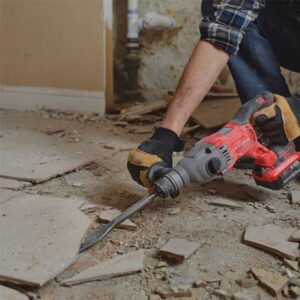
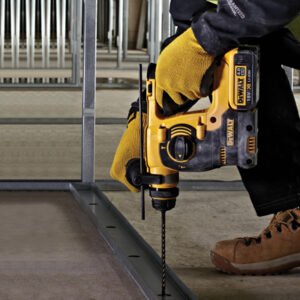
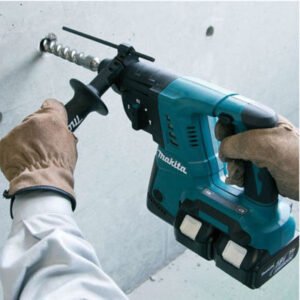
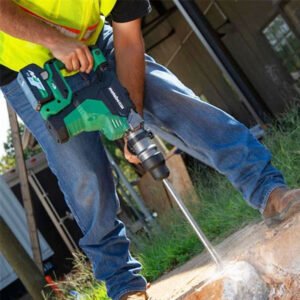
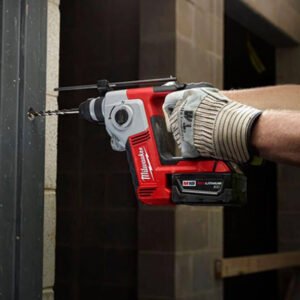
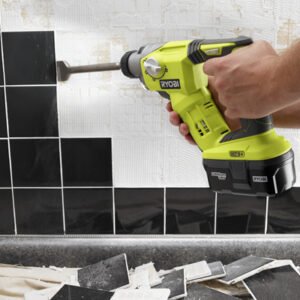
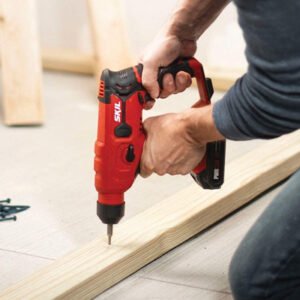


A cordless SDS hammer drill is designed for drilling into hard materials where a conventional drill or standard hammer drill may not provide enough impact performance. Using an SDS tool holder, these machines are built for applications such as drilling concrete, masonry and brick, installing anchors, creating holes for pipework and electrical services, and performing light to heavy chiselling work. A cordless design adds freedom of movement because there is no power cable to manage around the work area.
For Canadian tradespeople, contractors, renovators and serious DIY users, choosing the right cordless SDS hammer drill starts with matching the tool to the work. SDS-Plus models are generally suited to common drilling, anchoring and lighter chiselling applications, while SDS-Max machines are intended for larger drilling accessories and more demanding demolition or construction work. Consider the material, hole diameter, drilling frequency and type of accessories you expect to use before selecting a model.
One of the most important specifications is the chuck or tool-holder system. SDS-Plus is a popular choice for general-purpose concrete and masonry drilling. Its broad selection of compatible drill bits makes it useful for installers, renovators and contractors who regularly create smaller and medium-sized holes. SDS-Max systems are larger and are designed for heavier applications, including bigger holes and more intensive chiselling.
These systems are not interchangeable, so check the tool holder before buying drill bits, chisels or other accessories. If you already have an accessory collection, selecting a hammer drill compatible with those accessories can simplify your setup and reduce unnecessary replacement costs.
Cordless SDS hammer drills rely on rechargeable battery packs, making battery capacity and platform compatibility important purchasing considerations. Higher-capacity batteries can provide longer working periods between charges, although they may also add weight. If you already use cordless tools from a particular battery platform, staying within that ecosystem can be convenient because compatible batteries and chargers may be shared across tools.
When comparing models, look beyond battery voltage alone. Impact energy, drilling capacity, motor design, operating modes and overall tool weight can all affect real-world performance. For overhead work or extended installation jobs, a lighter machine may be easier to handle. For demanding drilling and chiselling, higher impact performance may be more important.
Many SDS hammer drills provide multiple operating modes to handle different jobs. Rotary hammer mode combines rotation with impact for drilling into concrete and masonry. Hammer-only mode can be useful for chiselling, removing tile, chasing channels and carrying out other light demolition tasks. Some models also offer rotary-only operation, although the suitability of this mode depends on the specific tool and accessory system.
Variable-speed control, electronic controls and a selectable rotation direction can provide greater control for different applications. Features such as an adjustable depth stop may also help when repeatedly drilling holes to a consistent depth for anchors or fixtures.
Worksite conditions can influence which features are worth prioritising. A vibration-reduction system can make prolonged hammering more comfortable, while a brushless motor may offer advantages in efficiency, durability and maintenance compared with brushed designs. Integrated work lights can improve visibility in dim areas, and a belt hook or compact design may be useful for installation work.
Safety features are equally important. A mechanical or electronic clutch can help manage sudden bit binding, while a well-designed side handle provides additional control during drilling. Always use appropriate eye, hearing and respiratory protection when working with concrete, masonry or materials that can generate dust.
Whether you are installing concrete anchors, drilling masonry for services, renovating a property or tackling heavier construction work, a cordless SDS hammer drill can provide a practical combination of impact performance and mobility. Compare SDS-Plus and SDS-Max models according to the accessories you need, required hole sizes, impact performance, battery platform and expected workload.
For Canadian shoppers, also consider the complete ownership package rather than evaluating the bare tool alone. A kit that includes batteries and a charger may make sense if you are starting a cordless platform, while a tool-only option can be more economical if you already own compatible batteries. Check the manufacturer's specifications for drilling capacities, compatible accessories and recommended applications before making your choice.
Choosing a hammer drill based on the actual job will help you avoid paying for capabilities you do not need while ensuring the tool is capable of handling your most demanding applications. With the right SDS system, battery setup and operating features, a cordless SDS hammer drill can be a versatile addition to a professional or home workshop.
Find a cordless SDS hammer drill for demanding drilling and chiselling jobs in concrete, masonry, brick and other hard materials. Explore practical cordless options for renovation, construction, installation and trade applications, with SDS-Plus and SDS-Max systems available for different levels of performance and tooling requirements.