

Explore cordless power tools, kits, batteries, chargers, accessories and related equipment available to Canadian shoppers. Compare product options and follow useful buying guides before you buy.


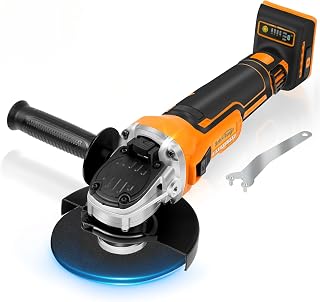
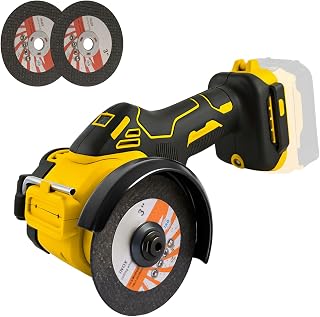


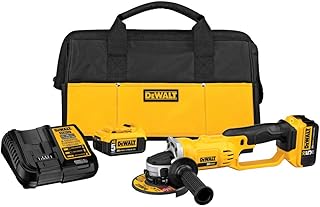


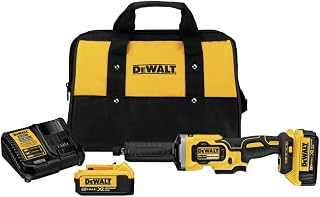


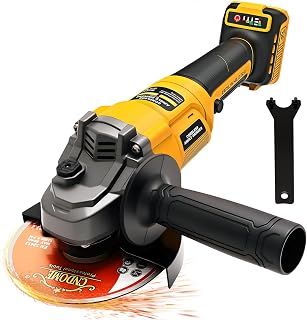


Choosing the best DEWALT cordless die grinder in Canada requires more than comparing motor power or battery voltage. A die grinder is a compact, high-speed tool designed for applications such as deburring, grinding, polishing, cleaning, surface preparation and material removal. The right model depends on the accessories you plan to use, the material you work with, the amount of runtime you need and the conditions in which the tool will operate.
DEWALT cordless die grinders are particularly relevant to users who want the freedom of battery power without the air hose associated with pneumatic grinders. For automotive work, metal fabrication, welding preparation, maintenance, construction and workshop projects, cordless operation can make it easier to work in areas where compressed air or electrical outlets are inconvenient.
Before choosing a model, compare the complete tool system rather than focusing on the grinder alone. Battery platform, charger availability, collet size, variable-speed control, maximum speed, ergonomics, protection features and accessory compatibility can all affect the practical value of a cordless die grinder.
DEWALT is one of the established power-tool brands available to Canadian consumers and professional tradespeople. Its cordless ecosystem includes battery-powered tools intended for construction, maintenance, fabrication and workshop applications. If you already own compatible DEWALT batteries and chargers, staying within the same battery platform can simplify ownership.
A cordless die grinder also removes the need for a compressor, air hose and pneumatic fittings. That can be useful when moving between workstations or when working outdoors. Battery operation can also reduce the number of cables and hoses around a work area.
However, cordless does not automatically mean better for every application. Pneumatic die grinders can remain attractive for demanding shop environments where compressed air is already available and continuous operation is important. A corded electric grinder can also make sense when uninterrupted power is more important than mobility.
A die grinder is a versatile rotary tool for jobs where a larger angle grinder would be difficult to control or physically too large. Its compact nose and small abrasive or rotary accessories make it useful for detailed material removal and finishing work.
After drilling, cutting or machining metal, sharp edges and burrs can remain around the workpiece. A die grinder equipped with an appropriate abrasive accessory can help remove these imperfections. Speed control is useful because different materials and accessories may require different operating speeds.
Fabricators may use die grinders to prepare surfaces before welding or clean up areas around welds afterward. The tool can reach smaller areas that may be awkward for a full-size grinder.
Die grinders are commonly associated with automotive workshop tasks because their compact design can help with cleaning, surface preparation and material removal around components. The correct accessory is essential because automotive parts can include steel, aluminium, coatings and other materials that respond differently to abrasives.
With a compatible polishing or finishing accessory, a die grinder can be used for certain surface-finishing applications. Users should always follow the accessory manufacturer's maximum speed rating and intended application.
Small grinding wheels, carbide accessories and other approved attachments can be used for controlled material removal. The exact accessory determines what materials can be worked safely and effectively.
Specifications are useful only when you understand how they affect the work. A grinder with a higher maximum speed is not automatically the best choice. In many cases, control, accessory compatibility and ergonomics are more important than a single headline specification.
Die grinders operate at high rotational speeds. Maximum no-load speed indicates how quickly the spindle can rotate without a working load. Higher speed can be appropriate for certain small accessories, but the accessory must always be rated for the operating speed.
Do not select an accessory simply because its physical size fits the collet. Its maximum permitted rotational speed must also be compatible with the grinder and the application.
Variable-speed control can significantly increase versatility. Lower speeds may be preferable for certain finishing operations, while higher speeds can be useful for accessories designed for rapid rotation.
For users who work with several materials or accessories, variable speed can make a grinder easier to control than a fixed-speed design. It can also help reduce the risk of using excessive speed for a delicate finishing operation.
The collet determines which accessory shank sizes can be securely held. A commonly encountered size is 1/4 inch, although specifications vary by tool and market.
Check the exact specification of the DEWALT model you are considering rather than assuming that every cordless die grinder uses the same collet configuration. Also check whether compatible accessories are readily available in Canada.
Battery voltage should be considered alongside the complete DEWALT battery ecosystem. If you already own compatible batteries, a bare-tool configuration may be more practical than purchasing a new battery and charger.
On the other hand, new users should calculate the complete system cost. The grinder, battery and charger can represent a substantially different investment from the advertised bare-tool price.
Battery capacity affects potential runtime, but runtime is not a fixed number. Grinding pressure, accessory type, material hardness, operating speed, temperature and duty cycle can all influence battery consumption.
A higher-capacity battery may provide longer operating time but can also add weight. For overhead work or prolonged hand-held finishing, the lightest practical configuration may be more comfortable.
The motor is central to performance, but advertised motor terminology should be interpreted alongside the intended application. A grinder used for occasional deburring does not necessarily need the same characteristics as one used regularly for heavy material removal.
When comparing models, look at motor technology, speed range, overload protection, control system and the manufacturer's intended use rather than relying on one specification.
Motor technology is another important buying consideration. Brushless and brushed motors operate differently and can have different characteristics in cordless tools.
Brushless motors use electronic control rather than traditional physical brushes. In cordless power tools, this design is commonly associated with efficient motor operation and reduced brush maintenance.
For users who expect frequent use, a brushless DEWALT die grinder may be worth considering because the motor design can support a modern cordless tool platform with electronic controls.
Brushed motors use brushes that make physical electrical contact with the motor's rotating components. They are a mature and widely used motor design.
A brushed model may still be appropriate for occasional users, especially when purchase cost and intended workload are more important than having the latest motor technology.
The best DEWALT cordless die grinder for one user may not be the best choice for another. Start with the work rather than the brand name.
Automotive users should prioritize compact handling, controllable speed, suitable collet compatibility and enough battery capacity for the expected workload. A grinder that is easy to position around brackets, fasteners and confined areas can be more useful than one chosen purely for maximum speed.
Consider whether your work involves rust removal, weld cleanup, porting, surface preparation, polishing or general material removal. Each task may require different accessories.
Fabrication users often need a balance between material-removal capability and precise control. If the grinder will be used around welds, edges and small openings, ergonomics become particularly important.
For regular fabrication work, also consider battery availability. Keeping a second charged battery nearby can reduce interruptions during mobile work.
A die grinder can be useful for preparing surfaces before welding and cleaning selected areas afterward. The accessory should match the material and desired finish.
Users should avoid assuming that one abrasive accessory is suitable for every metal. Stainless steel, mild steel, aluminium and coated materials can require different approaches.
DIY users may benefit most from versatility and ease of use. Variable speed, manageable weight and compatibility with commonly available accessories can be more valuable than maximum performance.
If the grinder will only be used occasionally, consider whether buying a complete cordless kit makes sense or whether an existing battery platform can reduce the overall cost.
The grinder is only part of the system. Accessories determine much of what the tool can accomplish.
Carbide burrs are commonly used for controlled material removal and shaping. They are available in different profiles and cutting configurations.
Choose a burr according to the material and shape of the work. Always respect the accessory manufacturer's speed limitations and handling instructions.
Mounted wheels can be used for grinding and finishing applications where the wheel is specifically intended for the grinder and material involved.
Inspect abrasive accessories before use. Damaged, cracked or otherwise compromised accessories should not be installed.
Flap wheels can be useful for blending, finishing and surface preparation. Their construction provides multiple abrasive surfaces and can offer a different finishing action from a conventional grinding point.
Wire brushes can be used for selected cleaning and surface-preparation tasks. Wire type and configuration matter, particularly when working with different metals or coatings.
Polishing accessories can transform a die grinder into a compact finishing tool for appropriate applications. Check compatibility, speed rating and intended use before installation.
High-speed rotary tools require careful handling. Safety should be considered before performance because incorrect accessory selection, excessive pressure or poor work positioning can create serious hazards.
Users should wear appropriate eye protection and use additional personal protective equipment according to the material, accessory and workplace conditions. Grinding and wire-brushing operations can produce sparks, particles and debris. Hearing protection and respiratory protection may also be appropriate depending on the task.
Canadian shoppers should evaluate more than the listed tool price. The total cost of ownership can include batteries, chargers, accessories and replacement components.
If you already use DEWALT cordless tools, check the exact battery platform supported by the grinder. Battery compatibility should never be assumed merely because two tools carry the same brand name.
A bare tool can be a sensible option for existing DEWALT battery users. New users may need a complete kit containing the appropriate battery and charger.
When comparing listings, make sure you are comparing equivalent packages. A lower headline price may reflect a bare tool while another listing includes a battery and charger.
Availability can change throughout the year. When shopping in Canada, compare the exact model number, package contents and retailer listing rather than relying only on product photographs or generic descriptions.
Warranty terms can vary according to the product, region and purchase conditions. Check the manufacturer's current Canadian warranty documentation and the retailer's applicable policies before purchasing.
High rotational speed can be useful, but the accessory must be rated for the grinder's operating conditions. Selecting a tool based only on maximum RPM can lead to an unsuitable setup.
A grinder is far less useful if the accessories you need cannot be securely installed. Confirm collet size before purchase and check the shank sizes of the accessories you plan to use.
Occasional users may be comfortable with one battery, while professionals performing extended grinding may need additional batteries to maintain workflow.
The cheapest grinder may not offer the combination of speed control, ergonomics, battery compatibility and accessory support that your work requires. Compare the complete system instead of the initial purchase price alone.
This is one of the most important considerations for any high-speed rotary tool. Always verify the accessory's permitted speed before use.
Die grinders are often used for detailed work that requires controlled hand positioning. A tool that is difficult to grip or balance can become tiring during extended sessions.
DEWALT is not the only manufacturer worth considering. Comparing alternative brands can help determine whether the DEWALT battery ecosystem, ergonomics and specifications suit your requirements.
DEWALT is particularly appealing to users already invested in its cordless tool ecosystem. Buyers should compare individual model specifications rather than assuming all DEWALT grinders provide identical features.
Milwaukee is another major cordless power-tool brand with a broad professional-oriented ecosystem. Users deciding between Milwaukee and DEWALT should consider the batteries and chargers they already own, available tool selection and the specific grinder specifications.
Makita is also well established in cordless power tools. Its products can be relevant to users who already use the company's battery platform. Compare speed control, ergonomics, accessory compatibility and package contents when evaluating alternatives.
Bosch offers a wide range of power tools and accessories. For buyers considering a Bosch alternative, the same comparison principles apply: battery platform, tool configuration, speed, collet compatibility, ergonomics and intended workload.
If two models appear similar, use a structured comparison instead of relying on product names.
Professional users should prioritize specifications according to their daily workload. If the tool is used frequently, battery management and ergonomics become increasingly important.
For fabrication professionals, speed control and accessory compatibility can be critical. For mobile automotive technicians, portability and battery availability may receive greater priority. For maintenance workers, compact access and dependable controls may matter more than maximum material-removal speed.
Professional buyers should also consider whether the grinder will be a primary tool or a secondary tool used for occasional detailed work. This distinction can prevent unnecessary spending on features that do not improve the actual workflow.
DIY users generally benefit from versatility and ease of use. A model with practical speed control and broad accessory compatibility can handle a wider range of workshop tasks.
If the grinder will only be used a few times each year, consider the cost of the complete setup. A battery platform that can also power other tools may provide greater long-term usefulness than a standalone battery system.
Proper maintenance can help keep a cordless die grinder in good working condition. Follow the manufacturer's instructions for cleaning, inspection, storage and service.
Grinding produces dust and debris that can accumulate around ventilation openings and controls. Clean the tool according to the manufacturer's recommendations and avoid methods that could force contaminants deeper into the housing.
Check the collet and related components regularly. An accessory should fit securely and correctly. Do not operate the grinder if the accessory cannot be properly secured.
Before each use, inspect grinding wheels, burrs, brushes, flap wheels and polishing accessories for visible damage or excessive wear. Replace accessories when they no longer meet the manufacturer's safety requirements.
Battery care should follow DEWALT's current instructions for the relevant battery platform. Avoid exposing batteries to unsuitable temperatures, moisture or physical damage.
Unusual vibration, noise, overheating or inconsistent operation can indicate that the tool, accessory or battery requires attention. Stop using the tool when necessary and consult the manufacturer's instructions or an appropriately qualified service provider.
Good results depend on technique as well as the tool. Avoid forcing the grinder through the material. Excessive pressure can reduce control and place unnecessary load on the tool and accessory.
Let the correct accessory do the work. Use controlled movements and maintain a stable grip. For detailed finishing, make gradual passes rather than attempting to remove large amounts of material in one operation.
Choose the accessory according to the material and desired finish. A coarse abrasive intended for rapid material removal is not necessarily the right choice for precision finishing.
Battery runtime is difficult to predict from capacity alone. A grinder performing light finishing work may consume substantially less energy than one continuously removing material from hard metal.
Operating speed also affects energy consumption. Higher loads can draw more power, while frequent starts and stops can create a different usage pattern from continuous operation.
For professional applications, carrying a compatible spare battery can be more useful than attempting to predict an exact runtime figure. Always use batteries approved for the specific tool platform.
Neither design is universally better. The correct choice depends on the work environment.
A cordless grinder is attractive when you regularly move around vehicles, machinery, construction areas or outdoor workspaces. Eliminating the air hose can make setup and movement easier.
A pneumatic die grinder can be a practical choice in workshops that already have suitable compressed-air infrastructure. It can also avoid the need to manage cordless batteries.
A corded model can be useful when the workstation has convenient electrical access and uninterrupted operation is more important than mobility.
Budget should be based on the complete ownership package rather than the tool body alone.
Customer reviews can be useful, but they should not be the only source of information. Look for recurring comments about ergonomics, battery consumption, control, accessory compatibility and long-term usability rather than focusing on isolated opinions.
Read reviews associated with the exact model number whenever possible. Different versions can have different specifications, included accessories or battery configurations.
It is also useful to separate comments about the tool itself from comments about shipping, packaging or retailer service. Those factors do not necessarily indicate how the grinder performs.
Product listings can change over time, so verify the details immediately before ordering. Pay particular attention to the exact model number and package contents.
A DEWALT cordless die grinder can be a strong option for users who value cordless mobility, already use compatible DEWALT batteries or need a compact high-speed rotary tool for workshop and maintenance applications.
It may be particularly suitable for automotive technicians, fabricators, welders, maintenance professionals, construction workers and serious DIY users whose tasks involve controlled grinding or finishing.
A different tool may be more appropriate when the application requires continuous heavy-duty operation, extremely high production throughput or a specific workshop setup.
A pneumatic die grinder can make sense when compressed air is already available. A corded electric model may be preferable for a fixed workstation where battery mobility is unnecessary. A larger angle grinder may be more suitable when substantial material removal is required over larger surfaces.
The best model depends on the user's application, preferred battery platform, speed requirements, accessory compatibility and budget. There is no single model that is ideal for every Canadian buyer. Compare the current DEWALT models against the specifications that matter most for your work.
They can be useful for suitable automotive grinding, cleaning, finishing and surface-preparation applications. The appropriate accessory, speed and technique are essential. Always follow the tool and accessory manufacturers' instructions.
It can replace a pneumatic model for many mobile and intermittent applications, but not necessarily every professional workflow. Users performing continuous heavy-duty work may prefer pneumatic equipment if suitable compressed-air infrastructure is already available.
Use only a battery platform specified as compatible with the exact grinder model. Do not assume compatibility based only on brand or nominal voltage. Check the manufacturer's current product documentation.
Suitable cordless die grinders can perform many metalworking tasks when matched with the correct accessory and technique. The practical result depends on the material, accessory, grinding pressure, speed and tool configuration.
Choose the collet that matches the accessories you intend to use. Check the exact grinder specification and the shank diameter of your accessories before purchasing.
Variable speed can be valuable when working with different materials and accessories. It gives the user more control over the operating speed and can broaden the range of suitable applications.
Brushless technology can provide advantages in cordless tool design, including reduced brush maintenance. Whether it is worth paying more depends on how frequently you use the grinder and which features are important for your workload.
If you already own compatible DEWALT batteries and a charger, a bare tool may be sufficient. If you are new to the battery platform, a complete kit may be more practical. Compare the total cost rather than the advertised tool-only price.
Depending on the model and collet, accessories may include carbide burrs, mounted grinding points, flap wheels, wire brushes and polishing accessories. Every accessory must be compatible with the grinder and rated for the required operating speed.
Some die grinders can be used with compatible polishing accessories. Confirm that the tool and accessory are suitable for the intended polishing application and follow the accessory manufacturer's speed requirements.
Keep the tool clean, inspect accessories and the collet regularly, follow battery-storage instructions and monitor the grinder for unusual vibration, noise or overheating. Follow the manufacturer's maintenance and service guidance for the exact model.
Yes, provided the tool is matched to the application. DIY users can benefit from cordless mobility and compact handling for suitable grinding, deburring, cleaning and finishing tasks.
The best brand depends largely on the cordless ecosystem you already use and the specifications of the individual grinder. Compare the exact models, batteries, accessories, ergonomics, speed control and total ownership cost before deciding.
Check the exact model number, Canadian availability, current price, battery configuration, collet size, speed range, package contents, accessory compatibility, manufacturer's specifications and applicable warranty information.
The best DEWALT cordless die grinder for a Canadian buyer is the model that matches the actual work rather than simply having the highest specification or lowest price. Start by identifying the materials, accessories and tasks involved. Then compare speed, control, battery compatibility, ergonomics, collet size and package contents.
For existing DEWALT users, battery compatibility may be one of the most important considerations. For new cordless-tool buyers, the complete system cost deserves closer attention. Professionals should also consider runtime, spare batteries and long-term ergonomics, while DIY users may place greater emphasis on versatility and overall value.
Before purchasing, verify the exact model information from the manufacturer and compare current Canadian retailer listings. Check verified customer reviews for the specific model, confirm what is included in the package and make sure every accessory you plan to use is compatible with the grinder and rated for its operating speed.
With those factors considered together, it becomes much easier to narrow down the best DEWALT cordless die grinder for your workshop, automotive work, fabrication projects, maintenance tasks or DIY applications in Canada in 2026.