
Ear Defenders
Cordlesspowertools Canada Online stores have a wide range of Ear Defenders Products that are available in different types and prices. Popular brands like Bosch, Dewalt, Hitachi, Dongcheng, Cumi, KPT, Ferm, Black Decker, Makita, Jon Bhandari, Ken, Metabo, Bullet, Planet Power, Stanley, Maktec, Ralli Wolf, AOG, Falcon, Hit-Min, IDeal, Eastman, Fein, Electrex, Craftsman, AEG, Zogo, Xtra Power, DCA, Yuri have a vast range of models available with different designs and functionalities. You can easily browse through the products, compare them and choose the one that best fits your needs.
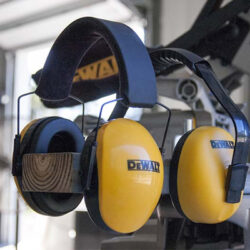



Protect Your Hearing with Exclusive Ear Defenders in Canada
When it comes to facing the noise, we've got your back—literally your ears! Our Exclusive Ear Defenders, also known as earmuffs or ear protectors, are the frontline defense against harmful noise levels. Whether you're in construction, manufacturing, at a concert, or rocking out your DIY projects, our ear defenders are here to ensure your hearing safety is a top priority.
Explore the Finest Ear Defender Options
Passive Earmuffs
Our classic Passive Earmuffs are your go-to for industrial settings, construction sites, and manufacturing plants. Designed with soundproofing materials and robust cushioning, these earmuffs create a solid barrier against external noise sources, keeping your ears shielded in style.
Electronic Earmuffs
Step into the future with our Electronic Earmuffs. Using built-in microphones and speakers, they actively process incoming sound waves. Detecting loud noises, these earmuffs adjust instantly, providing the perfect balance of protection and situational awareness. Ideal for shooting ranges, hunting, and tactical situations.
Bluetooth Earmuffs
Why compromise on entertainment? Our Bluetooth Earmuffs bring you hearing protection with a side of fun. Connect wirelessly to your devices, enjoy music, take calls, or listen to podcasts—all while keeping your ears safe. Perfect for construction sites where safety meets entertainment!
Cap-Attached Earmuffs
Double up on protection with our Cap-Attached Earmuffs. Tailored for industries requiring safety helmets or hard hats, these earmuffs attach directly to the helmet, ensuring your head and ears stay guarded. Popular in construction, mining, and high-risk workplaces.
Industrial Earmuffs
Rugged and ready for action, our Industrial Earmuffs are engineered to withstand the harshest environments. With robust construction and durable materials, they provide maximum noise reduction—ideal for heavy machinery operation, construction, and manufacturing.
Top Class Benefits of Our Ear Defenders
- Hearing Protection: Our ear defenders are your guardian angels against excessive noise, preventing irreversible hearing loss and discomfort.
- Preservation of Health: We care about your well-being. By preventing noise-induced hearing loss, our ear defenders contribute to your overall health and quality of life.
- Enhanced Concentration and Productivity: Say goodbye to distractions! Our ear defenders create a focused environment, boosting your concentration and productivity.
- Compliance with Safety Regulations: We've got your legal back too. Our ear defenders ensure you comply with safety regulations, preventing potential legal issues and penalties.
- Communication Facilitation: Stay connected without compromise. Our electronic earmuffs amplify speech while attenuating loud noises, ensuring effective communication in any environment.
Discover Outstanding Features of Our Ear Defenders
- Noise Reduction Rating (NRR): We speak the language of decibels. Our ear defenders come with a Noise Reduction Rating (NRR) to help you gauge the level of noise reduction you can expect.
- Adjustable Headband: Your comfort matters. Our adjustable headbands ensure a secure seal around your ears for maximum comfort during extended wear.
- Cushioned Ear Cups: Sink into comfort with our soft and well-padded ear cups, enhancing overall comfort for prolonged use.
- Durable Construction: We build tough. High-quality materials and robust construction ensure the longevity of our ear defenders, ready for any challenge.
- Foldable Design: Convenience is key. Our foldable ear defenders are easily collapsible for on-the-go storage and portability.
- Replaceable Ear Cushions: Keep it fresh. Our ear defenders come with replaceable ear cushions, ensuring long-lasting comfort and effectiveness.
Ensure Your Safety with Our Ear Defenders
- Protection from Noise-Induced Hearing Loss: Guard your ears against the perils of excessive noise, preventing irreversible hearing loss over time.
- Prevention of Tinnitus: Say no to ringing! Our ear defenders lower the risk of tinnitus by minimizing exposure to loud sounds that trigger this distressing condition.
- Enhanced Concentration and Focus: Silence the noise for optimal focus. Our ear defenders create a quiet auditory environment, allowing you to concentrate on tasks without distraction.
- Communication Preservation: Safety first! In environments where communication is crucial, our ear defenders, especially electronic models, selectively amplify speech while keeping harmful noise at bay.
- Regulatory Compliance: We've got you covered on all fronts. Our ear defenders ensure you comply with safety regulations and standards, fulfilling the responsibility of providing appropriate hearing protection in high-noise environments.
Don't compromise on your hearing safety—get your Exclusive Ear Defenders now! Elevate your protection, stay connected, and embrace the quality that our curated collection brings. Buy online for an unparalleled shopping experience!
Warning: strtr(): Ignoring replacement of empty string in /home/cordlesspowerit/public_html/wp-content/themes/twentyseventeen-child/woocommerce/archive-product.php on line 327
Protect Your Hearing with Exclusive Ear Defenders in Canada
When it comes to facing the noise, we've got your back—literally your ears! Our Exclusive Ear Defenders, also known as earmuffs or ear protectors, are the frontline defense against harmful noise levels. Whether you're in construction, manufacturing, at a concert, or rocking out your DIY projects, our ear defenders are here to ensure your hearing safety is a top priority.
Explore the Finest Ear Defender Options
Passive Earmuffs
Our classic Passive Earmuffs are your go-to for industrial settings, construction sites, and manufacturing plants. Designed with soundproofing materials and robust cushioning, these earmuffs create a solid barrier against external noise sources, keeping your ears shielded in style.
Electronic Earmuffs
Step into the future with our Electronic Earmuffs. Using built-in microphones and speakers, they actively process incoming sound waves. Detecting loud noises, these earmuffs adjust instantly, providing the perfect balance of protection and situational awareness. Ideal for shooting ranges, hunting, and tactical situations.
Bluetooth Earmuffs
Why compromise on entertainment? Our Bluetooth Earmuffs bring you hearing protection with a side of fun. Connect wirelessly to your devices, enjoy music, take calls, or listen to podcasts—all while keeping your ears safe. Perfect for construction sites where safety meets entertainment!
Cap-Attached Earmuffs
Double up on protection with our Cap-Attached Earmuffs. Tailored for industries requiring safety helmets or hard hats, these earmuffs attach directly to the helmet, ensuring your head and ears stay guarded. Popular in construction, mining, and high-risk workplaces.
Industrial Earmuffs
Rugged and ready for action, our Industrial Earmuffs are engineered to withstand the harshest environments. With robust construction and durable materials, they provide maximum noise reduction—ideal for heavy machinery operation, construction, and manufacturing.
Top Class Benefits of Our Ear Defenders
- Hearing Protection: Our ear defenders are your guardian angels against excessive noise, preventing irreversible hearing loss and discomfort.
- Preservation of Health: We care about your well-being. By preventing noise-induced hearing loss, our ear defenders contribute to your overall health and quality of life.
- Enhanced Concentration and Productivity: Say goodbye to distractions! Our ear defenders create a focused environment, boosting your concentration and productivity.
- Compliance with Safety Regulations: We've got your legal back too. Our ear defenders ensure you comply with safety regulations, preventing potential legal issues and penalties.
- Communication Facilitation: Stay connected without compromise. Our electronic earmuffs amplify speech while attenuating loud noises, ensuring effective communication in any environment.
Discover Outstanding Features of Our Ear Defenders
- Noise Reduction Rating (NRR): We speak the language of decibels. Our ear defenders come with a Noise Reduction Rating (NRR) to help you gauge the level of noise reduction you can expect.
- Adjustable Headband: Your comfort matters. Our adjustable headbands ensure a secure seal around your ears for maximum comfort during extended wear.
- Cushioned Ear Cups: Sink into comfort with our soft and well-padded ear cups, enhancing overall comfort for prolonged use.
- Durable Construction: We build tough. High-quality materials and robust construction ensure the longevity of our ear defenders, ready for any challenge.
- Foldable Design: Convenience is key. Our foldable ear defenders are easily collapsible for on-the-go storage and portability.
- Replaceable Ear Cushions: Keep it fresh. Our ear defenders come with replaceable ear cushions, ensuring long-lasting comfort and effectiveness.
Ensure Your Safety with Our Ear Defenders
- Protection from Noise-Induced Hearing Loss: Guard your ears against the perils of excessive noise, preventing irreversible hearing loss over time.
- Prevention of Tinnitus: Say no to ringing! Our ear defenders lower the risk of tinnitus by minimizing exposure to loud sounds that trigger this distressing condition.
- Enhanced Concentration and Focus: Silence the noise for optimal focus. Our ear defenders create a quiet auditory environment, allowing you to concentrate on tasks without distraction.
- Communication Preservation: Safety first! In environments where communication is crucial, our ear defenders, especially electronic models, selectively amplify speech while keeping harmful noise at bay.
- Regulatory Compliance: We've got you covered on all fronts. Our ear defenders ensure you comply with safety regulations and standards, fulfilling the responsibility of providing appropriate hearing protection in high-noise environments.
Don't compromise on your hearing safety—get your Exclusive Ear Defenders now! Elevate your protection, stay connected, and embrace the quality that our curated collection brings. Buy online for an unparalleled shopping experience!