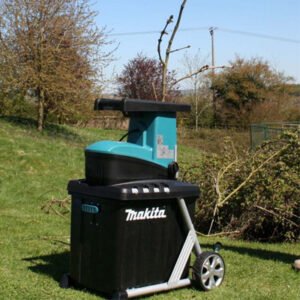
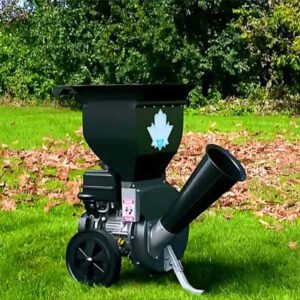
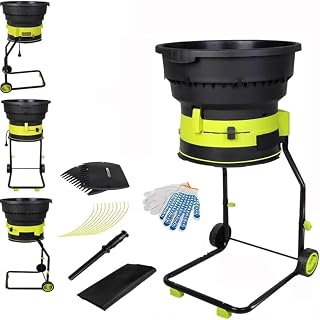

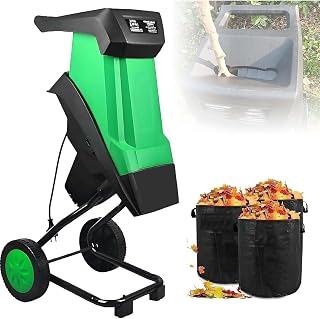
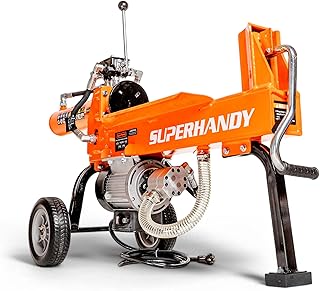
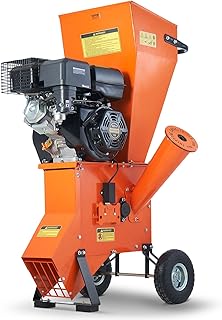
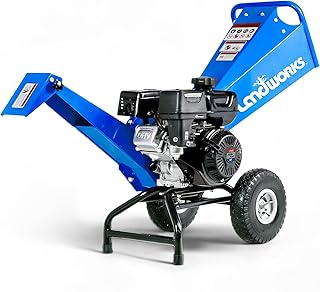
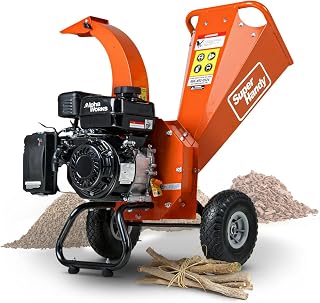
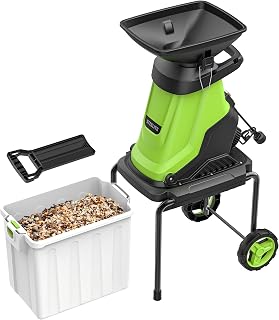
Catalog / Garden Shredder: Compare Garden Shredders in Canada

How to Choose the Best Garden Shredder in Canada

Explore cordless power tools, kits, batteries, chargers, accessories and related equipment available to Canadian shoppers. Compare product options and follow useful buying guides before you buy.

Explore Sub-Collections

2 Sections Found
Makita Garden Shredder
Patriot Chipper Shredder

Featured Products

24 Products

How to Choose the Best Garden Shredder in Canada in 2026

Choosing a garden shredder is not simply a matter of selecting the machine with the highest motor rating. The right model depends on the type of garden waste you generate, the maximum branch diameter you need to process, how often you plan to shred, and whether you have convenient access to a power outlet. Canadian gardeners should also consider storage, seasonal use, extension-cord requirements, winter conditions, noise, maintenance and replacement parts.

A compact electric shredder can be an excellent choice for homeowners dealing mainly with hedge trimmings, leaves, small branches and seasonal pruning waste. Larger gardens may require a more capable machine with a stronger cutting mechanism and a larger intake opening. Before comparing individual products, identify the material you actually expect to process. A machine designed primarily for soft garden debris should not automatically be treated as a wood chipper for large, dense branches.

Garden Shredder Types Worth Comparing

Electric Corded Garden Shredders

Corded electric shredders are among the most practical options for homeowners who work close to a suitable outdoor power source. They generally avoid fuel storage and engine-related maintenance while offering straightforward operation. Their main limitation is mobility. The working area is influenced by outlet location, extension-cord requirements and the layout of the property.

When comparing corded models, look beyond the advertised motor power. Check the recommended branch diameter, cutting mechanism, collection arrangement, overload protection, noise information, machine weight and the manufacturer's operating instructions. A powerful motor does not necessarily mean that a particular shredder is the best match for every type of garden waste.

Battery-Powered Garden Shredders

Battery garden tools can be attractive where portability is more important than continuous operation. A cordless design eliminates the need to manage a power cable around shrubs, trees and garden beds. However, battery runtime and charging requirements become important considerations.

Battery compatibility can also influence the overall value. If a shredder belongs to a wider battery platform, existing batteries and chargers may reduce the need to purchase additional equipment. Brands such as Makita, Ryobi and other established cordless-tool manufacturers offer broader battery ecosystems, although availability and compatibility should always be confirmed for the exact model.

Petrol-Powered Shredders and Chippers

Petrol-powered equipment can be relevant for larger properties where substantial amounts of woody material need to be processed away from a convenient electrical supply. These machines can be heavier, louder and more maintenance-intensive than compact electric garden shredders.

Do not compare a heavy-duty petrol wood chipper directly with a small residential garden shredder simply because both process branches. Their intended applications can be substantially different. Examine the manufacturer's stated material limits and intended use before deciding which category fits your workload.

Cutting Mechanisms: The Feature That Changes the Experience

Rotating Blade Systems

Blade-based shredders use rapidly rotating cutting elements to reduce suitable garden waste into smaller pieces. They can be useful for leaves, softer green material and relatively small branches. The exact performance depends on the blade design, motor, feed opening and material being processed.

Blades eventually require inspection and may need sharpening or replacement according to the manufacturer's instructions. If your garden produces a mixture of soft material and woody pruning waste, check the recommended application rather than assuming that any blade shredder can handle everything.

Roller and Crushing Systems

Roller-style mechanisms crush or compress branches as they pass through the cutting system. They are often appealing to users who process woody pruning material and want a controlled feeding process. The operating sound can also differ from the high-pitched character associated with some fast-spinning blade systems.

Roller shredders can be particularly useful when branch processing is a regular part of garden maintenance. However, the machine still has a specified maximum material diameter. Feeding branches beyond that limit can increase the risk of jams, poor performance and unnecessary mechanical stress.

Turbine-Style Cutting Systems

Some garden shredders use turbine-style cutting arrangements intended to combine branch processing with garden-waste shredding. These systems can provide a useful middle ground for homeowners who deal with several types of pruning debris.

When comparing turbine-based machines, inspect the manufacturer's permitted materials and maximum branch diameter. The name of the cutting technology matters less than how well its specifications match your actual workload.

Maximum Branch Diameter Matters More Than Motor Marketing

One of the most important specifications in any garden shredder buying decision is the maximum recommended branch diameter. This figure gives you a much better indication of whether the machine fits your pruning routine than motor wattage alone.

Measure the branches you commonly encounter rather than choosing a shredder based only on occasional maximum pieces. If most of your pruning produces thin branches, a compact machine may be sufficient. If you routinely cut thicker woody growth, select equipment specifically designed for that material.

Never assume that a stated maximum diameter means every branch of that size will feed effortlessly. Branch hardness, moisture, shape, forks and knots can all influence feeding. A machine that regularly operates close to its maximum capacity may also require more careful feeding than one with substantial capacity above your normal workload.

What Garden Waste Can You Put Through a Shredder?

The answer depends on the machine. Suitable material can include selected branches, hedge trimmings, pruning waste, twigs and certain types of leafy garden debris. Always check the manufacturer's instructions before processing unfamiliar material.

  • Small branches and twigs within the specified diameter.
  • Hedge and shrub trimmings where permitted.
  • Suitable woody pruning material.
  • Selected leafy garden waste.
  • Garden debris specifically identified as suitable by the manufacturer.

Do not treat a garden shredder as a universal waste-processing machine. Stones, metal, wire, plastic, contaminated material and unsuitable fibrous waste can damage cutting components or create safety hazards. When in doubt, consult the product manual.

Garden Shredder vs Wood Chipper

The terms garden shredder and wood chipper are sometimes used interchangeably in online shopping searches, but the equipment can have different intended applications. A garden shredder is commonly aimed at reducing domestic garden waste into smaller pieces. A wood chipper is generally associated with processing larger or more substantial woody material.

For routine pruning in a residential garden, a compact electric shredder may provide a better balance of size, storage and convenience. For substantial tree branches or frequent heavy-duty processing, dedicated chipping equipment may be more appropriate.

Before purchasing, ask a simple question: What is the largest and hardest material I realistically need to process? The answer should guide the machine category.

Noise Levels and Neighbour-Friendly Operation

Noise can be an important consideration in residential Canadian neighbourhoods. Different cutting mechanisms produce different operating sounds, and the perceived noise can also vary according to the material being processed and the surrounding environment.

Where available, compare manufacturer noise specifications. Also consider when you will use the shredder. Even a technically suitable machine can become inconvenient if it is operated at inappropriate times or in a location where sound travels directly toward neighbouring properties.

Safety Features to Check Before Buying

A garden shredder combines moving cutting components with powerful machinery, so safety design deserves serious attention. Do not select a machine based only on performance specifications.

  • Look for a secure hopper and feeding arrangement.
  • Check whether the machine has an accessible emergency or power-off control.
  • Confirm that the design includes appropriate protection around moving components.
  • Check overload or restart protection where specified.
  • Look for stable wheels or a stable base suitable for the intended surface.
  • Read the manufacturer's instructions for clearing blockages.
  • Use eye, hearing and hand protection appropriate to the manufacturer's guidance and working conditions.
  • Disconnect electrical equipment from its power source before carrying out maintenance or clearing a blockage when instructed by the manufacturer.

Never reach into the hopper while cutting components may still be moving. A jam should be handled according to the exact procedure provided for the model.

Electrical Requirements for Canadian Buyers

For corded garden shredders, electrical compatibility should be checked before purchase. Confirm the machine's voltage, rated power and plug configuration against the electrical supply available at your property.

Extension-cord selection also matters. A cord that is too long or unsuitable for the tool's electrical requirements can create voltage-drop, overheating or operational problems. Follow the manufacturer's extension-cord recommendations rather than selecting a cable based solely on price or convenience.

Outdoor electrical equipment should be used with appropriate protection and connections suitable for outdoor conditions. Keep connections away from standing water and follow applicable Canadian electrical safety requirements.

Build Quality and Materials

Garden shredders experience vibration, impact and repeated contact with abrasive plant material. Construction quality therefore matters, particularly for people who expect to use the machine frequently.

Inspect the overall housing, hopper, wheels, frame, collection system and cutting assembly. A lightweight plastic housing can be perfectly appropriate for occasional domestic use, while frequent heavy-duty work may justify prioritising a more robust overall construction.

Weight should also be considered. A heavier machine may feel more stable during operation but can be less convenient to move and store. A lightweight model can be easier to transport but may require careful positioning on uneven ground.

Collection Boxes, Bags and Discharge Options

Reducing garden waste is only part of the job. You also need a practical way to collect or manage the shredded material.

Check the capacity of the supplied collection system and consider how frequently you will need to empty it. A small container may be adequate for occasional pruning but can become inconvenient during a major garden clean-up.

Some machines use a collection box, while others direct processed material into a suitable collection area. The most convenient configuration depends on your garden layout and how you plan to transport the shredded material afterward.

Why Mulch Size and Output Consistency Matter

The purpose of shredding is often to reduce bulky garden waste into a more manageable form. Smaller pieces can be easier to handle, transport and incorporate into appropriate garden-management practices.

Output consistency can be particularly important if you plan to use the shredded material for composting or other garden applications. However, not every shredded material should automatically be used as mulch. Consider the plant material, disease status, weed content and intended application before returning shredded debris to the garden.

How Much Capacity Do You Actually Need?

Buying substantially more capacity than necessary can increase the machine's size, weight and cost without delivering a meaningful benefit for a small garden. Buying too little capacity can lead to repeated jams, slow feeding and frustration.

Consider your typical workload:

  • Small urban garden: prioritise compact storage, easy movement and sufficient capacity for routine pruning.
  • Medium residential property: look for a balanced machine capable of handling mixed seasonal garden waste.
  • Large garden: prioritise throughput, branch capacity, mobility and collection convenience.
  • Large acreage or frequent tree work: compare dedicated heavy-duty chippers rather than limiting the search to domestic shredders.

Top Brands to Consider When Comparing Garden Shredders

Brand reputation can be useful when researching a garden shredder, but the brand name should not replace specification checking. Established manufacturers may offer broader documentation, replacement components or related equipment, but the exact model remains the most important comparison point.

  • Bosch: worth considering when comparing established electric garden equipment and different cutting-system designs.
  • WORX: useful to investigate when portability and homeowner-focused garden equipment are priorities.
  • Ryobi: relevant for buyers already interested in a broader cordless outdoor-tool ecosystem.
  • Makita: worth comparing where battery-platform compatibility and broader power-tool ownership influence the purchase decision.
  • Einhell: another established name to consider when comparing garden machinery and power-tool ecosystems.
  • BLACK+DECKER: can be included in comparisons for homeowners looking at accessible garden equipment from a recognised power-tool brand.

Brand availability can vary by Canadian retailer and season. Always verify the exact model number, specifications, included accessories, battery status and current availability before buying.

Common Garden Shredder Buying Mistakes

Choosing Based Only on Motor Power

A higher wattage figure does not automatically make one machine better. Cutting design, feed system, maximum branch diameter and intended material can be equally important.

Ignoring Branch Diameter

This is one of the most costly mistakes because the machine may look suitable until you attempt to process your normal pruning material. Compare the manufacturer's stated capacity with the branches in your garden.

Buying Without Considering Storage

Garden shredders can occupy significant space. Measure your storage area and check the machine's dimensions, wheel arrangement and whether the design allows practical storage between seasons.

Forgetting Extension-Cord Requirements

A corded model may look inexpensive until you discover that your garden layout requires a longer or appropriately rated outdoor extension cable. Account for this before making a final comparison.

Confusing a Shredder With a Chipper

Heavy branches may require equipment designed specifically for wood chipping. Never exceed the material limits of a domestic garden shredder.

Ignoring Replacement Parts

Cutting components and other wear parts can eventually require servicing or replacement. Check whether the manufacturer provides clear information about maintenance and compatible replacement components.

How to Compare Two Garden Shredders Side by Side

When two products appear similar, use a consistent comparison method instead of relying on marketing language. Start with the material you need to process, then work through the specifications that affect everyday use.

  • Compare maximum branch diameter.
  • Compare cutting mechanism and intended material.
  • Compare motor or power-system specifications.
  • Compare machine weight and dimensions.
  • Compare collection capacity.
  • Compare noise information where published.
  • Compare mobility and wheel design.
  • Compare electrical or battery requirements.
  • Compare maintenance requirements.
  • Compare included accessories.
  • Compare manufacturer documentation.
  • Compare current retailer pricing and verified customer feedback.

Garden Shredders for Small Canadian Gardens

Owners of smaller properties usually benefit from prioritising convenience over maximum processing capacity. A compact electric model can be easier to store and move, particularly when garden waste is generated only after seasonal trimming.

Look for a manageable footprint, straightforward controls, an effective collection arrangement and sufficient branch capacity for the shrubs and trees on your property. There is little advantage in choosing oversized machinery if most of your waste consists of thin hedge clippings and small twigs.

Garden Shredders for Large Properties

Large gardens create different demands. Processing a substantial pile of branches can make throughput and feeding efficiency much more important than compact dimensions.

For larger workloads, pay particular attention to the size of the intake, permitted branch diameter, continuous operating guidance, collection method and ease of moving the machine around the property. If your workload includes substantial tree branches, consider whether a dedicated wood chipper would be a more suitable category.

Using a Garden Shredder in Different Canadian Seasons

Spring

Spring cleanup can produce a mixture of pruning waste, twigs and debris left after winter. Before shredding, separate unsuitable material and allow wet material to reach a condition appropriate for the specific machine.

Summer

Summer pruning often produces fresh, leafy material. Green material can behave differently from dry branches, so follow the manufacturer's guidance concerning the types and proportions of material the machine is designed to handle.

Autumn

Fall cleanup can generate significant volumes of leaves, branches and hedge trimmings. A shredder can reduce the bulk of suitable material, but leaves and woody branches may require different processing approaches depending on the machine.

Winter Storage

Many homeowners will store their garden shredder during the colder months. Clean the machine according to the manufacturer's instructions, inspect cutting components and store electrical or battery equipment in the conditions specified by the manufacturer.

Maintenance Tips for Better Long-Term Use

Routine maintenance can help preserve performance and identify problems before they become more serious. Always follow the maintenance schedule and procedures supplied with the specific machine.

  • Inspect the cutting system regularly for wear or damage.
  • Keep ventilation areas clear of accumulated debris where applicable.
  • Inspect cables and plugs on corded machines before use.
  • Check fasteners and accessible components according to the manual.
  • Clean the machine using the manufacturer's recommended method.
  • Keep the feeding area free from accumulated plant material.
  • Replace worn components with compatible parts specified for the model.
  • Store the machine securely when it is not being used.

What to Look for in Customer Reviews

Customer reviews can provide useful information, but they should be interpreted carefully. Focus on comments that describe actual use rather than relying only on overall star ratings.

Useful review signals include repeated comments about feeding branches, clogging, noise, mobility, collection capacity, assembly, durability and ease of maintenance. Look for patterns across multiple reviews. A single complaint or enthusiastic comment is less informative than several independent customers describing the same characteristic.

Also distinguish between reviews of the exact model and reviews referring to a similar-looking product. Model numbers can change, and retailer listings sometimes combine different configurations.

How to Evaluate a Garden Shredder Before Buying

Use this sequence when narrowing down the options:

  1. Identify the types of garden waste you generate most often.
  2. Measure the typical and maximum branch diameters.
  3. Choose between corded electric, battery and petrol equipment.
  4. Compare cutting mechanisms suitable for your material.
  5. Check power, capacity and operating specifications.
  6. Consider noise and your local residential environment.
  7. Check machine weight, wheels and storage dimensions.
  8. Review safety features and operating instructions.
  9. Check maintenance and replacement-component information.
  10. Compare current prices and verified customer feedback from trusted Canadian retailers.

Is an Electric Garden Shredder Enough for Most Homeowners?

For many residential users, an electric garden shredder can provide a practical balance of convenience and capability when the workload consists mainly of suitable small branches and garden trimmings. The key is selecting a model that matches the actual material rather than assuming that a domestic machine can process every type of woody waste.

Electric equipment is particularly convenient when the garden is reasonably close to a suitable power source. If the working area is remote or the property is extensive, portability may become more important, making battery or petrol equipment worth investigating.

Is a Cordless Garden Shredder Worth Considering?

A cordless model can be attractive for gardeners who value freedom from extension cables. It can also make movement between different sections of a property more convenient. The trade-off is the need to manage battery capacity, charging and potentially additional batteries for longer sessions.

For buyers already invested in a compatible battery platform, ecosystem compatibility can be a significant factor. However, always confirm that the battery, charger and tool configuration are compatible with the exact shredder model.

Garden Shredder Buying Guide for Canadian Homeowners

The best garden shredder in Canada is ultimately the one that matches the workload, not necessarily the most powerful or expensive option. A small homeowner may benefit from compact electric equipment, while a property owner with extensive pruning requirements may need higher throughput and greater branch capacity.

Canadian buyers should also consider retailer location, seasonal availability, electrical compatibility, storage conditions and access to replacement parts. Prices can change throughout the year, so compare the current purchase price rather than relying on an older advertised figure.

Questions to Ask Before Purchasing

  • What material will I shred most often?
  • What is the largest branch I need to process?
  • How much garden waste do I generate in a typical cleanup?
  • Do I have a convenient outdoor power source?
  • Would cordless mobility provide a meaningful advantage?
  • How much storage space do I have?
  • How important is low operating noise?
  • How easy is the machine to move around my property?
  • How frequently will cutting components need inspection?
  • Can replacement parts be identified for the exact model?
  • Does the collection system suit the amount of waste I generate?
  • Is this a garden shredder or do I actually need a dedicated wood chipper?

Garden Shredder Features That Matter Most

When creating a shortlist of the top garden shredders for Canada, prioritise features that affect real-world use. Branch capacity, cutting technology, feeding performance, portability, safety and maintenance generally deserve more attention than cosmetic design.

For occasional garden cleanup, simplicity can be a major advantage. For frequent pruning, throughput and durability become more important. For large properties, mobility and processing capacity may dominate the decision. There is no universal specification list that makes one shredder perfect for every Canadian garden.

Frequently Asked Questions About Garden Shredders in Canada

What is the best garden shredder in Canada?

The best garden shredder depends on the type and volume of material you need to process. Compare branch capacity, cutting mechanism, power source, collection method, portability, noise and maintenance requirements before selecting a model.

Are electric garden shredders good for branches?

Electric shredders can handle branches when those branches fall within the machine's specified diameter and material requirements. Always check the manufacturer's maximum capacity rather than assuming that an electric motor can process every branch.

What size garden shredder do I need?

Choose capacity according to the branch sizes and amount of garden waste produced by your property. Small gardens generally do not require the same processing capacity as large properties with regular tree pruning.

Is a garden shredder the same as a wood chipper?

No. Although both can reduce woody material, their intended applications and material capacities can differ. A dedicated wood chipper may be more appropriate for larger branches and heavier tree-processing work.

Are cordless garden shredders worth it?

They can be worthwhile when mobility and freedom from an extension cable are important. Battery capacity, charging time, platform compatibility and the machine's actual processing capability should be checked before buying.

Which cutting system is best?

There is no single best cutting mechanism for every garden. Blade, roller, crushing and turbine-style systems can suit different types of garden waste. Choose according to the material you process most frequently.

How important is the maximum branch diameter?

It is one of the most important specifications. Compare it with the largest branches you routinely produce. Do not deliberately exceed the manufacturer's stated limit.

Can garden shreddings be used as mulch?

Suitable shredded plant material can sometimes be useful in garden applications, but the correct use depends on the material, its condition and your intended application. Avoid using diseased or unsuitable plant material where it could spread problems.

How do I reduce clogging?

Use material within the manufacturer's specifications, feed branches according to the operating instructions and avoid forcing unsuitable or oversized material into the hopper. If a blockage occurs, follow the model-specific shutdown and clearing procedure.

Should I buy the most powerful shredder available?

Not necessarily. Extra capacity can be useful, but it may also increase size, weight, noise or cost. Choose a machine with specifications that provide an appropriate margin above your normal workload.

What should Canadian buyers check before ordering online?

Confirm the exact model number, voltage, power source, maximum branch diameter, included accessories, battery configuration if applicable, dimensions, current price, retailer availability and verified customer feedback. Product listings can change, so check the current information before completing a purchase.

Final Buying Advice for 2026

A well-chosen garden shredder can make seasonal pruning and garden cleanup considerably easier by reducing suitable plant waste into a more manageable form. The strongest buying decision comes from matching the machine to your actual workload rather than choosing solely by brand, motor rating or headline marketing claims.

For Canadian buyers, start with branch diameter and material type. Then compare cutting technology, power source, collection capacity, portability, noise, safety features and maintenance requirements. If you regularly process large tree branches, broaden the search to dedicated wood chippers instead of expecting a compact garden shredder to perform outside its intended application.

Before buying, compare the exact specifications of shortlisted models, read current verified customer reviews and check current Canadian retailer information. Availability, configurations and pricing can change during 2026. A careful specification-led comparison is the best way to identify the garden shredder that offers the right combination of capability, convenience and long-term practicality for your property.

Frequently Asked Questions (FAQ)

How are these Garden Shredder: Compare Garden Shredders in Canada options ranked?
Products are organized using the information available in our product database. When rating information is available, it is shown on the listing; otherwise, we do not invent a rating.
Does clicking outbound links increase my checkout price?
No. Clicking a product link does not add an affiliate fee to the shopper's purchase price.
How often are the pricing deals updated on this page?
Product listings can change over time. Always check the current Amazon.ca page for the latest availability, seller information and price.
Are these products backed by standard consumer warranties?
Warranty, returns and other purchase terms depend on the product, seller and Amazon.ca listing. Check the current product page for the applicable terms before buying.