
♥ Wishlist




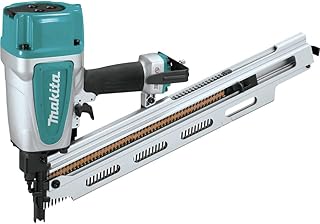


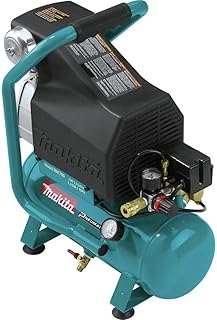
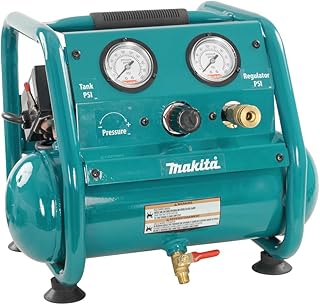

A Makita air compressor can be a practical choice when you need dependable compressed air for tools, equipment, workshop tasks, and maintenance work. Makita is widely associated with professional-grade power equipment, and its compressor range is designed around different working environments and application requirements. When choosing a compressor in Canada, it is important to consider more than the brand name. Tank capacity, portability, air delivery, operating pressure, power source, noise considerations, and the type of pneumatic tools you plan to use can all affect which model is the best fit.
Air compressors serve a variety of purposes, from powering nailers and staplers to supporting inflation, cleaning, fastening, and other workshop tasks. A compact compressor may be ideal for occasional jobs where easy transport and convenient storage matter most. Larger-capacity options can be better suited to applications that require more sustained airflow or longer operating periods. Before purchasing, identify the pneumatic tools you expect to use and check their air requirements. Matching the compressor's output to the tool's requirements can help provide consistent performance and reduce unnecessary cycling.
Portability is an important consideration for contractors, renovators, installers, and DIY users who move equipment between locations. A portable Makita compressor can be easier to carry around a workshop, load into a vehicle, or position close to the work area. Look for a practical combination of weight, footprint, handle design, and capacity rather than focusing on one specification alone. A compact design can also be valuable when storage space is limited.
If your main purpose is powering pneumatic tools, compare the compressor's maximum pressure and air delivery with the requirements of your equipment. Nail guns and staplers can have different airflow demands from spray equipment, impact tools, or other air-powered accessories. Choosing a compressor with suitable capacity helps ensure that it can keep up with the intended workload. It is also worth considering duty cycle and recovery time when the compressor will be used frequently.
Canadian buyers should consider where and how the compressor will be used. For home workshops and light-duty applications, a smaller unit may provide a useful balance between capability and storage convenience. Professional users may place greater emphasis on durability, airflow, tank capacity, portability, and the ability to support multiple pneumatic tools. If the compressor will be transported regularly, overall size and weight become particularly important.
Power requirements should also be checked before purchase. Make sure the compressor is suitable for the electrical supply available at the intended location and follow the manufacturer's operating requirements. If you are purchasing for a job site, workshop, garage, or renovation project, consider whether the available power source and working environment are appropriate for the selected compressor.
Tank size influences how much compressed air is stored and how frequently the motor may need to run during certain tasks. A smaller tank can be convenient for portability and intermittent applications, while a larger tank may offer more stored air for suitable jobs. However, tank capacity alone does not determine compressor performance. Air delivery and the requirements of the connected tool are equally important. Compare specifications carefully rather than selecting a compressor solely because it has a larger tank.
Maximum pressure is commonly expressed in PSI, while airflow may be listed using measurements such as CFM. These specifications help determine whether a compressor can support a particular pneumatic tool. Always compare the compressor's published specifications with the requirements of your tools. For Canadian shoppers, product specifications may also include metric measurements such as litres for tank capacity, making it easier to compare models based on both capacity and application.
A compressor can become a useful part of a workshop setup when matched correctly to the work being performed. For trim work, framing, cabinetry, renovation, maintenance, and other applications, portability and reliable air delivery can make a noticeable difference in convenience. Consider the frequency of use, expected workload, storage location, transportation needs, and the pneumatic accessories you already own.
Noise can also matter, particularly in residential workshops, garages, and indoor working environments. Where noise is a concern, review the manufacturer's published information and consider the location in which the compressor will operate. Proper ventilation, safe placement, and routine maintenance are also important for responsible compressor operation.
Different compressor models can be designed for different priorities, so comparing specifications can help narrow the selection. Consider portability, tank capacity, maximum pressure, air delivery, power requirements, dimensions, weight, and intended use. A compressor that is excellent for occasional trim work may not be the right choice for continuous high-demand applications. Conversely, a larger unit may provide more capacity than necessary for a homeowner who values compact storage.
Whether you are equipping a professional workspace or upgrading a home garage, choosing a compressor based on the actual tools and tasks involved can help you avoid paying for unnecessary capacity or selecting a model that cannot meet your airflow requirements. Review the available Makita air compressor options and compare their specifications before making your purchase decision.
Find the right Makita air compressor for workshop projects, job-site applications, pneumatic tools, finishing work, and general compressed-air needs. This category is designed for Canadian shoppers comparing Makita compressors by portability, capacity, performance, and practical everyday use.