

♥ Wishlist


A Makita cordless planer is designed to give woodworkers, carpenters, contractors and DIY users the freedom to plane timber without being tied to a mains power outlet. For Canadian shoppers, cordless operation can be particularly useful on renovation sites, construction projects, outdoor work and jobs where moving a power cord around the workpiece would be inconvenient. This category brings together cordless planer options and related buying information so you can compare the features that matter before making a purchase.
The right planer depends on what you intend to do with it. Occasional DIY work may place greater emphasis on manageable weight, straightforward controls and compatibility with batteries you already own. Professional carpenters and contractors may prioritise durability, handling, cutting capacity, battery management and access to replacement blades. Renovation work can benefit from cordless portability when adjusting doors, frames, trim and other timber components at the installation site.
Before comparing individual products, consider the dimensions and type of timber you normally work with. A planer with an appropriate cutting width can reduce the number of passes required on wider boards, while a suitable depth-adjustment system allows you to remove material gradually and maintain better control over the finished surface.
Planing width determines how much timber can be covered during each pass. A wider capacity can be useful when working on broad boards, while a compact planer may be easier to control in restricted spaces. Maximum cutting depth indicates how much material the tool can remove under specified conditions, but a higher maximum is not automatically better. For accurate woodworking, controlled shallow adjustments are often more important than aggressive material removal.
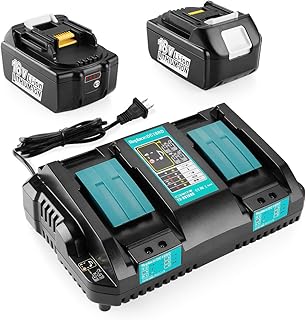
Battery compatibility is one of the most important considerations when buying a cordless Makita planer. If you already have compatible Makita batteries and a charger, a bare-tool configuration may provide a practical way to expand your collection. If you are new to the relevant battery platform, a kit may be more convenient. Always verify the exact battery system required by the individual model rather than assuming that every Makita battery is interchangeable.
The blade arrangement has a direct effect on planing performance and surface quality. Check the blade type, replacement procedure and availability of compatible replacement blades before buying. Sharp, correctly installed blades help maintain efficient cutting and a cleaner finish. When comparing the overall value of a planer, remember that blades are consumable components and should be included in your long-term ownership calculation.
Planing involves repeated passes across timber, so comfort and balance matter. Consider the main handle, front grip, control layout and overall weight with the battery installed. A tool that is easy to control can be more useful over a long woodworking session than one selected solely for its maximum technical specification. Battery size can also affect the balance and operating weight of the complete tool.
Cordless operation is useful when working between rooms, moving around construction sites or completing outdoor projects where mains power is not immediately available. It also eliminates the need to manage a trailing cord around timber and work surfaces. Canadian users should consider battery storage, charging and operating recommendations carefully because seasonal temperatures can vary significantly across the country.
For demanding work, having additional compatible batteries can reduce interruptions, although higher-capacity batteries can increase tool weight. The best battery choice is therefore a balance between runtime, portability and the workload involved.
Pay close attention to package contents when comparing prices. A bare planer may not include a battery or charger, whereas a kit may contain one or both along with additional accessories. Product photographs should not be treated as confirmation of what is included. Check the exact product listing, model number and package description before purchasing.
Canadian shoppers should also compare the complete cost in Canadian dollars rather than looking only at the headline price of the planer. If you need a battery, charger, replacement blades or other accessories, include those items when assessing overall value.
Before choosing a model, confirm the maximum planing width, maximum cutting depth, depth-adjustment increments, battery platform, operating weight, blade configuration and replacement-blade availability. Also check whether the package is a bare tool or kit, whether batteries and chargers are included, and whether the planer supports the dust or chip-management setup you intend to use.
For professional applications, consider how the planer fits into your existing cordless tool ecosystem. For DIY users, focus on the features you will actually use rather than paying for capacity that does not match your projects. Whichever model you choose, verify current specifications and package contents from the applicable manufacturer or retailer documentation before ordering.
Good planing results depend on technique as well as the tool. Secure the timber firmly, inspect it for nails and screws, and start with a shallow depth setting when making finishing adjustments. Keep the planer supported evenly and move it at a controlled, consistent pace. Several light passes can provide better control than attempting to remove too much material in one pass.
Maintaining even pressure as the planer enters and leaves the workpiece can also help reduce snipe and uneven ends. Longer boards should be supported appropriately, and the finished surface should be checked with measurements rather than visual inspection alone.
Comparing cordless planers in one category makes it easier to evaluate the differences between tool configurations, specifications and intended applications. Whether you are fitting doors, smoothing timber, preparing boards, working on furniture or completing renovation tasks, starting with your actual workload can help narrow the choices efficiently.
Use this category as a starting point for comparing Makita cordless planer options, then confirm the exact model specification, battery compatibility, included accessories and current availability before purchasing. This approach helps Canadian buyers select a planer that fits both the immediate project and their broader cordless tool collection.
Find the right Makita cordless planer for woodworking, carpentry, renovation and DIY projects in Canada. Compare key specifications such as planing width, cutting depth, battery compatibility, blade configuration, ergonomics and package contents before choosing a model.
Canadian DIY woodworkers, carpenters, joiners, contractors, renovators and professional tradespeople comparing cordless planers.