

♥ Wishlist







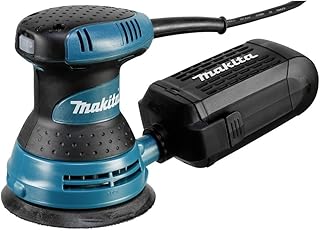


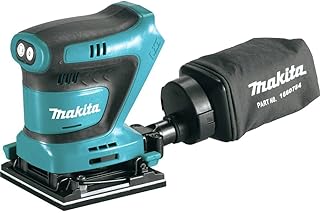


Makita cordless sanders give Canadian tradespeople, renovators, woodworkers and DIY users the freedom to sand without working around a power cable. A cordless design is particularly useful when preparing timber in different areas of a workshop, completing renovation work in occupied spaces or working where access to a mains outlet is limited. By choosing the appropriate Makita sander for the material and finish required, you can achieve controlled material removal and a smoother surface while keeping your workspace more flexible.
The best cordless sander depends on the type of sanding you need to perform. Random orbital sanders are versatile options for general-purpose surface preparation and can be useful when removing marks, smoothing timber and preparing larger areas for finishing. Their orbital sanding action is suited to many woodworking applications where a clean, consistent surface is important.
For final smoothing and finishing tasks, a finishing sander can provide controlled sanding across flat surfaces. Compact sanding tools can also be useful when working on smaller components, edges or areas where manoeuvrability matters more than maximum sanding capacity. Consider the shape and size of your typical workpieces before selecting a model.
One of the biggest advantages of a Makita battery-powered sander is mobility. Without a mains cable, you can move around a workpiece or job site with fewer restrictions. Cordless operation can also reduce cable clutter around benches and floors, which is helpful when several tools are being used during a project.
Makita's cordless tool ecosystem is another consideration for buyers who already own compatible batteries. Depending on the specific model, a sander may use a battery platform shared with other Makita cordless equipment. This can make adding a sander to an existing collection more convenient because compatible batteries and chargers may already be available. Always verify the battery requirements and compatibility of the exact model before purchasing.
When comparing cordless sanders, look beyond the headline specifications. Sanding action, pad or abrasive size, variable-speed control, ergonomics, dust collection and runtime can all influence how well a tool suits your work. A higher-capacity battery may be preferable for extended sanding sessions, while a smaller battery can help keep the overall tool lighter for shorter or overhead tasks.
Dust management is also worth considering. Effective dust collection can help keep the work area cleaner and improve visibility around the sanding surface. Depending on the application, you may want a sander that can connect to a suitable dust extractor or vacuum. For indoor renovation projects, good dust control can be especially valuable.
Woodworkers can use cordless sanders for a wide range of preparation and finishing jobs, including smoothing boards, refining assembled furniture, preparing surfaces between coats and removing minor imperfections. Renovators may find cordless sanding especially useful when restoring doors, trim, cabinetry and other timber surfaces where portability is important.
The abrasive you use is just as important as the sander itself. Choose the appropriate grit for the material and stage of work, beginning with a coarser abrasive when substantial material needs to be removed and moving towards finer grits for final preparation. Avoid applying excessive pressure; allowing the sanding mechanism and abrasive to do the work can help produce a more even result.
Start by identifying your most common applications. If you regularly sand large timber surfaces, prioritise a comfortable tool with suitable sanding capacity and enough battery runtime for your workflow. If your work involves detailed finishing or smaller components, compact dimensions and precise control may be more important.
Think about your existing Makita batteries as well. Buyers already invested in a compatible cordless platform may prefer a bare-tool option, while someone starting from scratch may need to account for the cost of batteries and a charger. Check the product specifications carefully because battery and charger inclusion can vary between packages.
Ergonomics should not be overlooked. Sanding can involve repetitive movement over extended periods, so grip comfort, balance and overall weight can affect user fatigue. Variable-speed control can also provide greater flexibility when working with different materials or when a more delicate sanding approach is required.
Explore the Makita cordless sanders category to find a battery-powered sanding solution suited to your woodworking, renovation or finishing requirements. Compare available models according to sanding style, power source, ergonomics, dust-management features and compatibility with your existing Makita cordless system. For Canadian shoppers, consider the type of projects you undertake most often and choose the sander that provides the right balance of control, portability and runtime.
Before ordering, review the individual product listing for the latest specifications, included accessories, battery requirements and package contents. With the right combination of sander, abrasive and battery, a cordless setup can provide a practical and flexible way to prepare surfaces wherever your next project takes you.
Get smooth, consistent results without being restricted by a power cord with Makita cordless sanders. Designed for woodworking, renovation, finishing and general surface preparation, these battery-powered sanders combine convenient cordless operation with the performance expected from Makita power tools. Whether you are preparing timber for paint, refining a finished surface or removing material during a renovation project, choosing the right cordless sander can make the job faster and easier.