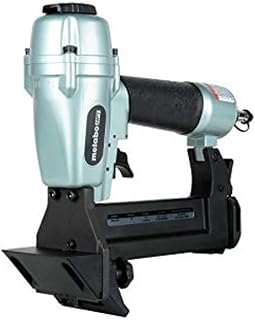

Explore cordless power tools, kits, batteries, chargers, accessories and related equipment available to Canadian shoppers. Compare product options and follow useful buying guides before you buy.
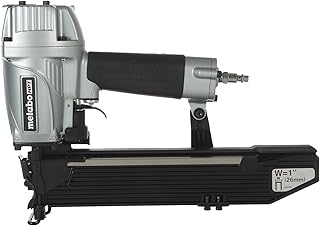





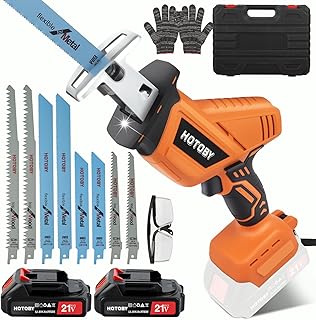


Choosing a cordless reciprocating saw is less about finding the most powerful specification and more about matching the tool to the work you actually perform. Metabo HPT offers cordless reciprocating saw options designed around practical cutting tasks, portability and compatibility within its battery platform. For Canadian buyers, the decision also deserves attention to battery capacity, cold-weather use, blade selection, vibration control and the availability of compatible batteries and chargers.
This buying guide is designed to help you compare Metabo HPT cordless reciprocating saws on the factors that matter before purchase. Specifications can vary between individual models, kits and tool-only packages, so always confirm the exact configuration before ordering. A bare tool may be suitable for someone who already owns compatible batteries, while a complete kit can make more sense for a first-time buyer entering the platform.
A reciprocating saw is one of the most versatile cutting tools for renovation, demolition, maintenance and construction work. Unlike a circular saw, it does not require a long, straight cutting path. The blade moves back and forth rapidly, allowing the user to cut through wood, metal, plastic, drywall and other suitable materials with the correct blade.
Metabo HPT cordless tools are particularly relevant for buyers who want a battery-powered setup without being tied to an electrical outlet. Removing the power cord can make cutting easier in unfinished buildings, outdoor areas, renovation sites and locations where access to mains electricity is inconvenient.
The main advantages to consider include:
Battery voltage is one of the first specifications to check, but it should not be considered in isolation. Metabo HPT cordless reciprocating saws may belong to different battery platforms, and compatibility is not automatically interchangeable simply because two tools have similar voltage ratings.
Before buying, identify the exact battery family supported by the saw. If you already own compatible Metabo HPT batteries, a tool-only package may reduce unnecessary duplication. If you are new to the platform, compare the cost and contents of a complete kit, including the battery, charger and accessories.
Stroke length describes how far the blade travels during each reciprocating cycle. A longer stroke can help move more material through the cut, particularly during demanding cutting work. However, stroke length is only one part of cutting performance.
Consider it together with the motor design, blade type, cutting speed, material and technique. A longer stroke does not automatically make one saw the better choice for every application.
Strokes per minute indicate how quickly the blade reciprocates. Higher speed can be useful for certain cutting applications, while controlled lower speeds can make sense when working with materials that require greater precision or when starting a cut.
A useful cordless reciprocating saw should offer a speed range appropriate to the materials you expect to cut. Variable-speed control can be especially valuable because demolition, wood cutting and metal cutting do not necessarily benefit from identical operating speeds.
A variable-speed trigger gives the operator greater control over blade movement. Gentle trigger pressure can help establish a cut, while increased pressure can provide faster cutting once the blade is properly engaged.
For mixed-material work, this control can be more useful than simply selecting a saw with the highest maximum speed.
Some reciprocating saws incorporate orbital action, where the blade follows a more elliptical movement during part of its travel. This can improve cutting aggressiveness in suitable materials, particularly when speed is more important than achieving the cleanest possible cut.
Orbital action is not automatically beneficial for every job. When cutting metal or performing work where control and blade precision matter, a conventional reciprocating movement may be preferable. If a model offers selectable orbital settings, that flexibility can be useful.
Even a capable reciprocating saw can perform poorly when paired with an unsuitable blade. Blades are designed around specific materials, tooth configurations and cutting objectives.
Wood blades commonly use larger teeth and configurations intended to remove material quickly. Demolition blades can be particularly useful when cutting through existing timber, framing or construction materials where speed is more important than creating a finished edge.
Metal-cutting blades generally use finer tooth patterns than aggressive wood blades. Selecting the appropriate blade for the thickness and type of metal can reduce unnecessary blade wear and improve control.
Bi-metal blades combine different materials to balance flexibility, durability and cutting performance. They are commonly considered for demanding general-purpose applications where a blade may encounter varying materials.
Specialized blades are available for applications such as plastics, pruning and other materials. The correct blade should always be selected according to the manufacturer's intended application and the material being cut.
Motor design is another important comparison point. Brushless motors eliminate traditional motor brushes and can provide advantages in efficiency, durability and electronic control. These characteristics can be particularly relevant for frequent users who rely on cordless tools for extended periods.
Brushed models can still be appropriate for occasional users who prioritize purchase cost and already have compatible batteries. The better choice depends on expected workload, ownership period, battery platform and overall budget rather than motor terminology alone.
Reciprocating saws naturally generate noticeable movement because the blade travels rapidly back and forth. Vibration control therefore deserves careful consideration, especially for users who expect to perform prolonged cutting or demolition work.
Look for features such as balanced tool construction, ergonomic grips, anti-vibration mechanisms and appropriately positioned controls. Weight distribution can be just as important as the advertised tool weight. A saw that feels balanced in the hand may be easier to control than a similarly weighted tool with less favorable balance.
Cordless reciprocating saws are often used at different angles and in locations where the operator cannot comfortably rest the tool against a surface. Weight can therefore have a direct effect on handling.
A heavier model may provide useful stability and robust construction, while a lighter model can be easier to use overhead or during repetitive work. Battery size also changes the final working weight, so consider the complete tool-and-battery combination rather than looking only at the bare-tool specification.
Canadian weather can introduce an additional consideration for cordless-tool users. Lithium-ion batteries can behave differently in very cold conditions, particularly when stored or used at low temperatures.
Follow the battery manufacturer's storage, charging and operating guidance. Avoid charging a battery outside its recommended temperature range. If tools are used during winter construction or outdoor maintenance, plan how batteries will be stored and transported between jobs.
Battery capacity affects how long a cordless reciprocating saw can operate between charges. Higher-capacity batteries can provide longer runtime, but they may also add weight.
For occasional household projects, a smaller battery may be adequate. For demolition, construction or repeated cutting, a larger-capacity battery may be more practical. Having multiple compatible batteries can also reduce interruptions when one battery requires charging.
This is one of the easiest purchasing decisions to overlook. A tool-only package can be economical for an existing Metabo HPT battery-platform user. However, someone starting from scratch must factor in the cost of the required battery and charger.
Always check exactly what is included in the package. Product names can be similar while package contents differ.
Milwaukee is another major cordless power-tool brand with a broad battery ecosystem. When comparing Milwaukee and Metabo HPT, focus on the battery platform you already own, the specifications of the exact reciprocating saw, ergonomics, accessories and long-term platform needs.
DEWALT offers an extensive cordless tool ecosystem that may appeal to users who already own compatible batteries. A fair comparison should consider the specific model rather than judging the brands as a whole. Compare stroke length, speed control, motor technology, weight, battery requirements and included accessories.
Makita is widely recognized for its broad range of cordless tools. Buyers comparing Makita with Metabo HPT should first identify which battery platform fits their existing equipment and future tool purchases. Platform compatibility can have more practical value than a small difference in an individual specification.
Bosch also offers cordless cutting tools across different battery systems. When comparing a Bosch reciprocating saw with a Metabo HPT model, consider ergonomics, blade compatibility, control features, battery options and the type of work you perform most frequently.
A high maximum strokes-per-minute figure can look impressive, but it does not tell you everything about real-world suitability. Blade selection, motor characteristics, speed control, battery capacity and user technique all influence cutting results.
Buying a cordless tool without considering future battery requirements can increase the total cost of ownership. If you intend to build a complete workshop, choose a battery platform that matches the other cordless tools you expect to use.
Blades are consumable accessories, and their design has a direct effect on cutting performance. Using an inappropriate or worn blade can increase cutting time and place unnecessary demands on the tool.
Two listings for apparently similar tools may include different batteries, chargers, cases or accessories. Read the complete product specification before comparing prices.
Specifications cannot fully describe how a tool feels during use. Grip shape, balance, trigger placement and vibration control are especially important for repetitive work.
Home renovators often benefit from a versatile model with variable-speed control and broad blade compatibility. If the saw will be used for occasional demolition, cutting lumber, removing old materials and similar tasks, portability may be more important than maximum cutting aggressiveness.
Demolition work places greater demands on a reciprocating saw. Consider motor design, durability, vibration management, battery capacity and blade selection. A robust setup with appropriate demolition blades can be more useful than a lightweight model optimized primarily for occasional work.
Professional users should evaluate the complete ownership system. Runtime, charging strategy, replacement batteries, ergonomics and compatibility with existing tools can influence productivity over time.
Plumbers and mechanical workers may need to cut through metal pipes, plastic, fasteners and construction materials. Variable speed and appropriate metal-cutting blades are particularly relevant. Compact handling can also be valuable when access around existing installations is limited.
A reciprocating saw can be useful for certain pruning and outdoor cutting tasks when paired with an appropriate blade. Check the blade manufacturer's intended application before using a reciprocating saw for branches or other outdoor materials.
A reciprocating saw is a powerful cutting tool and should be used according to the manufacturer's instructions. Wear appropriate eye protection and use hearing protection where required by the working environment. Additional protective equipment may be necessary depending on the material being cut.
Routine maintenance can help keep a cordless reciprocating saw ready for work. Keep ventilation openings clear of excessive dust and inspect the tool for visible damage before use. Clean the exterior according to the manufacturer's recommendations and avoid exposing electrical components to unsuitable moisture.
Blades should be replaced when they become damaged, excessively worn or unsuitable for the task. A dull blade can encourage excessive force, which may reduce cutting control and place additional demands on the tool.
Batteries should be stored according to the manufacturer's recommendations. Avoid leaving lithium-ion batteries in extremely hot or cold environments for prolonged periods, and use the correct charger designed for the battery system.
When reviewing a shortlist of ten Metabo HPT cordless reciprocating saw options, avoid ranking them solely by one headline specification. Instead, create a comparison based on your actual priorities.
Start with battery platform compatibility. Next, compare motor technology, stroke length, maximum and variable speed, orbital functionality, weight, ergonomics and included accessories. Finally, examine whether each listing is a bare tool or complete kit.
For an occasional DIY user, a lower-cost configuration that already fits an existing battery platform may offer the most sensible overall value. For frequent professional use, durability, runtime, comfort and battery availability may justify selecting a more advanced configuration.
The lowest advertised price is not necessarily the lowest overall cost. A cordless reciprocating saw can require batteries, a charger, replacement blades and potentially additional accessories.
When comparing prices in Canada, calculate the cost of the complete setup you actually need. If you already own compatible batteries and a charger, the comparison changes significantly. If you are starting a new platform, include those components when evaluating value.
It is also useful to compare verified customer feedback with technical specifications. Reviews can provide insight into practical concerns such as handling and ease of use, but individual experiences should be considered alongside manufacturer specifications rather than treated as universal performance guarantees.
The best Metabo HPT cordless reciprocating saw for you depends on the materials, workload and battery platform you expect to use. There is no single configuration that is ideal for every homeowner, renovator, tradesperson and contractor.
For occasional work, prioritize manageable weight, practical controls and compatibility with an existing battery system. For demanding demolition and construction, place greater emphasis on motor technology, runtime, durability, vibration control and suitable high-quality blades. For mixed applications, variable speed and a flexible blade selection can provide more useful versatility.
Before purchasing, verify the exact model number, battery platform, package contents, included accessories and manufacturer specifications. Canadian pricing and availability can change, so compare current listings and check the details of the specific configuration rather than relying on a general product description.
It is primarily used for controlled cutting and demolition applications. Depending on the blade, a reciprocating saw can cut materials such as wood, metal, plastic and other suitable construction materials.
A brushless model can offer advantages in efficiency, durability and electronic motor control. Whether it is worth choosing depends on how frequently you use the tool, your workload and your budget.
Blade compatibility depends on the tool's blade-retention system and the blade specification. Check the manufacturer's instructions and use blades intended for the saw and material being cut.
Choose a tool-only model when you already have the required compatible battery and charger. A kit may be more practical when you are entering the battery platform for the first time.
Battery capacity affects potential runtime and also changes the weight of the complete tool. Higher capacity can be useful for demanding work, while a smaller battery may be preferable when low weight and occasional use are priorities.
Yes, when the saw and blade are suitable for the intended metal-cutting application. Use the correct blade, appropriate speed and safe cutting technique for the material.
Usually not. The two tools serve different purposes. A circular saw is generally better suited to controlled straight cuts, while a reciprocating saw excels at flexible cutting, demolition and access in awkward locations.
Check the exact model number, battery platform, voltage, motor type, speed control, stroke length, weight, package contents and current Canadian listing details. Also consider battery storage and use requirements if you regularly work in cold weather.
Do not assume universal compatibility. Battery systems can differ between tool families and generations. Confirm compatibility using the exact battery and tool specifications before purchasing.
There is no universal replacement interval. Replace a blade when it becomes dull, damaged or unsuitable for the work. Cutting resistance, poor results and visible wear can indicate that a blade should be changed.
A good Metabo HPT cordless reciprocating saw should be selected as part of a complete cutting system rather than judged by one specification. Battery compatibility, motor design, speed control, stroke characteristics, vibration management, weight, blade selection and intended application all contribute to the buying decision.
For Canadian shoppers in 2026, also consider the practical effects of battery ownership and seasonal temperatures. Compare the exact models and package configurations available to you, read verified customer feedback carefully, and confirm current specifications before making a purchase. The right choice is ultimately the model that provides the appropriate combination of control, runtime, cutting capability, comfort and platform compatibility for the work you actually perform.