
Workwear & Pouches
Cordlesspowertools Canada Online stores have a wide range of Workwear & Pouches Products that are available in different types and prices. Popular brands like Bosch, Dewalt, Hitachi, Dongcheng, Cumi, KPT, Ferm, Black Decker, Makita, Jon Bhandari, Ken, Metabo, Bullet, Planet Power, Stanley, Maktec, Ralli Wolf, AOG, Falcon, Hit-Min, IDeal, Eastman, Fein, Electrex, Craftsman, AEG, Zogo, Xtra Power, DCA, Yuri have a vast range of models available with different designs and functionalities. You can easily browse through the products, compare them and choose the one that best fits your needs.
-
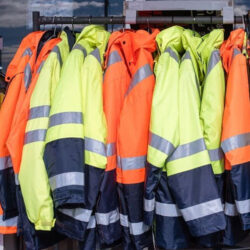
Clothing (1)
-

Ear Defenders (2)
-
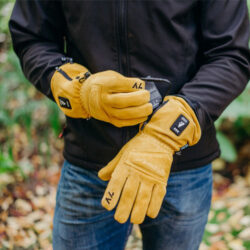
Gloves (1)
-
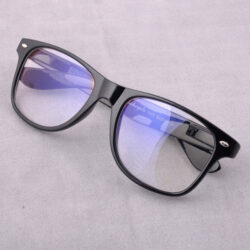
Goggles & Spectacles (1)
-
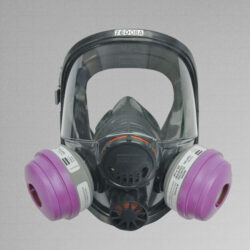
Masks & Respirators (1)
-

Safety Helmet (1)
-
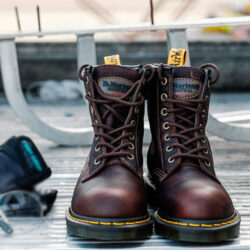
Safety Work Boots & Shoes (1)
-
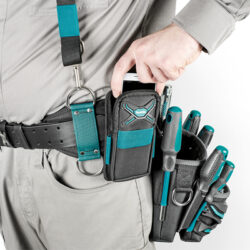
Tool Pouches & Belts (2)
-
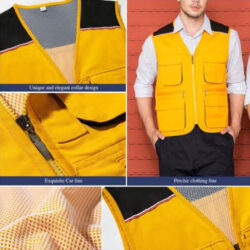
Waistcoats (1)
-
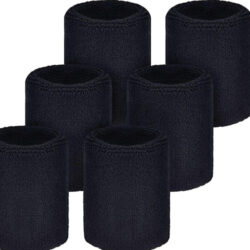
Wrist Bands (1)



Upgrade Your Toolkit with Premium Canadian Workwear and Pouches
Workwear and pouches are the backbone of any tradesperson's arsenal, providing comfort, protection, and convenience in diverse work settings. Our selection of Workwear and Pouches is curated to elevate your work experience, delivering the perfect blend of comfort, organization, and durability.
These essentials not only enhance efficiency and safety but also exude professionalism for individuals across various industries. Invest in your work environment with our top-notch workwear and pouches designed to meet the demands of the job.
Explore the Array of Workwear and Pouches:
Discover the Finest Workwear Types:
Safety Vests: Ensure visibility in low-light conditions with safety vests featuring high-visibility colors and reflective strips. Ideal for construction workers, road maintenance crews, and emergency responders, these vests prioritize safety and awareness.
Coveralls: Offering full-body coverage, coveralls are one-piece protective suits designed to shield workers from dirt, debris, and potential hazards. Perfect for industries like automotive repair, manufacturing, and hazardous material handling.
Top-of-the-Line Work Pants and Trousers
Durable and reinforced, our work pants and trousers are crafted to withstand the challenges of physical labor. Multiple pockets provide convenient storage for tools and accessories, making them a favorite among tradespeople, carpenters, and mechanics.
Work Shirts: Sturdy and functional, our work shirts come equipped with multiple pockets and reinforced stitching. Balancing a professional appearance with easy access to tools, these shirts are a popular choice for electricians, plumbers, and maintenance professionals.
Jackets and outerwear: Designed to brave various weather conditions, our jackets and outerwear options offer insulation, waterproofing, and windproofing. Essential for outdoor workers, construction crews, and landscapers.
Choose from a Variety of Pouch Types:
Tool Belts: Enjoy hands-free convenience with tool belts that feature attached pouches, holders, and loops for carrying tools. Keep essential tools within reach while allowing for easy movement and accessibility.
Tool Pouches: Available in various designs, from belt-attachable to standalone options with multiple compartments, tool pouches are ideal for organizing and carrying hand tools, small equipment, and accessories needed for specific tasks.
Tool Bags: For professionals requiring a versatile and spacious carrying solution, tool bags with multiple compartments are the go-to option. Perfect for transporting tools to different job sites.
Utility Pouches: Specialized pouches designed to hold specific tools or items, such as tape measures, cell phones, or small accessories. Attached to belts and workwear, they provide quick access to frequently used tools.
The Benefits of Investing in Workwear & Pouches:
Unlocking the Advantages of Workwear:
- Safety Enhancement: High-visibility vests, flame-resistant coveralls, and safety jackets with reflective elements enhance visibility in low-light conditions, reducing the risk of accidents and collisions.
- Personal Protection: Durable coveralls, work pants, and shirts shield the wearer from environmental factors such as dirt, debris, chemicals, and extreme weather conditions, ensuring health and comfort during physically demanding tasks.
- Functional Design: Tailored for specific tasks, workwear offers features like reinforced stitching, knee pads, and ample pockets, facilitating ease of movement and providing storage for tools and accessories, enhancing work efficiency.
- Comfort and Mobility: Ergonomic designs and breathable fabrics ensure comfort during extended wear. Flexible materials and strategic seam placement promote ease of movement, minimizing fatigue.
- Professional Appearance: Wearing designated workwear establishes a professional image, reflecting a commitment to safety and adhering to industry standards, fostering pride and unity among team members.
Experience the Benefits of Pouches:
- Convenient Tool Access: Pouches provide a hands-free solution for carrying tools, ensuring easy access to essential equipment during tasks. This convenience reduces the need to search for tools, enhancing workflow efficiency.
- Organization and Efficiency: Pouches with multiple compartments keep tools and accessories organized, preventing clutter and streamlining the work process. Quick access minimizes downtime.
- Enhanced Safety: Securing tools in pouches reduces the risk of dropping or misplacing tools, preventing potential injuries caused by falling tools and minimizing damage to tools themselves.
- Worksite Adaptability: Pouches come in various sizes and configurations, catering to different tool sets and job requirements. This adaptability allows professionals to customize their tool storage solutions for specific tasks.
- Improved Ergonomics: Pouches distribute tool weight evenly, reducing strain on one side. This ergonomic advantage minimizes the risk of musculoskeletal injuries and discomfort.
- Time Savings: Eliminate the need for repeated trips to toolboxes or workbenches. Pouches save valuable time during tasks by keeping tools within reach, enhancing efficiency on the job.
High-Quality Features of Workwear & Pouches
Discover the Superior Features of Workwear:
- Durable Materials: Crafted from rugged materials like canvas, denim, and polyester blends, our workwear withstands the rigors of demanding work environments, offering durability and longevity.
- Reinforced Stitching: Critical stress points on workwear are reinforced with heavy-duty stitching, preventing seams from tearing and extending the life of the garment.
- High-Visibility Elements: Some workwear includes reflective tapes or strips for enhanced visibility in low-light conditions, increasing safety by making the wearer more noticeable to others.
- Weather Resistance: Workwear designed for outdoor use may feature water-resistant or waterproof fabrics to protect against rain and wet conditions, ensuring workers stay dry and comfortable.
- Ergonomic Design: Tailored for a comfortable fit and freedom of movement, ergonomic workwear features articulated sleeves, gusseted crotches, and stretch panels, enhancing mobility and reducing fatigue.
- Utility Pockets: Equipped with multiple strategically placed pockets, our workwear provides easy access to tools and accessories. Chest pockets, cargo pockets, and tool loops offer versatile storage options.
- Flame Resistance: Some workwear is flame-resistant, offering protection from sparks, flames, and heat—crucial for industries where fire hazards are present.
- Tear-Resistant Fabrics: Tear-resistant materials withstand abrasion and tearing caused by sharp objects or rough surfaces, ensuring long-lasting use.
Experience the Best Features of Pouches:
- Multiple Compartments: Pouches are designed with various compartments and pockets to organize tools of different sizes, minimizing clutter and simplifying tool access.
- Adjustable Straps: Many pouches feature adjustable straps or belts, allowing professionals to customize the fit for comfort and optimal weight distribution.
- Tool-Specific Holders: Pouches often include specialized pockets and loops designed to securely hold specific tools, ensuring easy accessibility and tool security.
- Secure Closures: Equipped with secure closures like zippers, Velcro, or snaps, pouches prevent tools from falling out during movement or transportation.
- Belt Attachment Options: Pouches can be attached to belts, tool belts, or harnesses, providing a hands-free solution for carrying tools and equipment.
- Rugged Construction: Crafted from durable materials with reinforced stitching, pouches resist wear, tear, and abrasion, ensuring longevity in demanding work environments.
- Weather Resistance: Certain pouches feature water-resistant or weatherproof materials, protecting tools from rain and moisture, ensuring they stay in optimal condition.
- Quick-Release Mechanisms: Some pouches feature quick-release mechanisms, allowing professionals to easily detach and reattach the pouch for convenience during tasks.
Elevate your work experience with our premium Workwear and Pouches. Invest now for a seamless, efficient, and professional approach to your tasks!
Warning: strtr(): Ignoring replacement of empty string in /home/cordlesspowerit/public_html/wp-content/themes/twentyseventeen-child/woocommerce/archive-product.php on line 327
Upgrade Your Toolkit with Premium Canadian Workwear and Pouches
Workwear and pouches are the backbone of any tradesperson's arsenal, providing comfort, protection, and convenience in diverse work settings. Our selection of Workwear and Pouches is curated to elevate your work experience, delivering the perfect blend of comfort, organization, and durability.
These essentials not only enhance efficiency and safety but also exude professionalism for individuals across various industries. Invest in your work environment with our top-notch workwear and pouches designed to meet the demands of the job.
Explore the Array of Workwear and Pouches:
Discover the Finest Workwear Types:
Safety Vests: Ensure visibility in low-light conditions with safety vests featuring high-visibility colors and reflective strips. Ideal for construction workers, road maintenance crews, and emergency responders, these vests prioritize safety and awareness.
Coveralls: Offering full-body coverage, coveralls are one-piece protective suits designed to shield workers from dirt, debris, and potential hazards. Perfect for industries like automotive repair, manufacturing, and hazardous material handling.
Top-of-the-Line Work Pants and Trousers
Durable and reinforced, our work pants and trousers are crafted to withstand the challenges of physical labor. Multiple pockets provide convenient storage for tools and accessories, making them a favorite among tradespeople, carpenters, and mechanics.
Work Shirts: Sturdy and functional, our work shirts come equipped with multiple pockets and reinforced stitching. Balancing a professional appearance with easy access to tools, these shirts are a popular choice for electricians, plumbers, and maintenance professionals.
Jackets and outerwear: Designed to brave various weather conditions, our jackets and outerwear options offer insulation, waterproofing, and windproofing. Essential for outdoor workers, construction crews, and landscapers.
Choose from a Variety of Pouch Types:
Tool Belts: Enjoy hands-free convenience with tool belts that feature attached pouches, holders, and loops for carrying tools. Keep essential tools within reach while allowing for easy movement and accessibility.
Tool Pouches: Available in various designs, from belt-attachable to standalone options with multiple compartments, tool pouches are ideal for organizing and carrying hand tools, small equipment, and accessories needed for specific tasks.
Tool Bags: For professionals requiring a versatile and spacious carrying solution, tool bags with multiple compartments are the go-to option. Perfect for transporting tools to different job sites.
Utility Pouches: Specialized pouches designed to hold specific tools or items, such as tape measures, cell phones, or small accessories. Attached to belts and workwear, they provide quick access to frequently used tools.
The Benefits of Investing in Workwear & Pouches:
Unlocking the Advantages of Workwear:
- Safety Enhancement: High-visibility vests, flame-resistant coveralls, and safety jackets with reflective elements enhance visibility in low-light conditions, reducing the risk of accidents and collisions.
- Personal Protection: Durable coveralls, work pants, and shirts shield the wearer from environmental factors such as dirt, debris, chemicals, and extreme weather conditions, ensuring health and comfort during physically demanding tasks.
- Functional Design: Tailored for specific tasks, workwear offers features like reinforced stitching, knee pads, and ample pockets, facilitating ease of movement and providing storage for tools and accessories, enhancing work efficiency.
- Comfort and Mobility: Ergonomic designs and breathable fabrics ensure comfort during extended wear. Flexible materials and strategic seam placement promote ease of movement, minimizing fatigue.
- Professional Appearance: Wearing designated workwear establishes a professional image, reflecting a commitment to safety and adhering to industry standards, fostering pride and unity among team members.
Experience the Benefits of Pouches:
- Convenient Tool Access: Pouches provide a hands-free solution for carrying tools, ensuring easy access to essential equipment during tasks. This convenience reduces the need to search for tools, enhancing workflow efficiency.
- Organization and Efficiency: Pouches with multiple compartments keep tools and accessories organized, preventing clutter and streamlining the work process. Quick access minimizes downtime.
- Enhanced Safety: Securing tools in pouches reduces the risk of dropping or misplacing tools, preventing potential injuries caused by falling tools and minimizing damage to tools themselves.
- Worksite Adaptability: Pouches come in various sizes and configurations, catering to different tool sets and job requirements. This adaptability allows professionals to customize their tool storage solutions for specific tasks.
- Improved Ergonomics: Pouches distribute tool weight evenly, reducing strain on one side. This ergonomic advantage minimizes the risk of musculoskeletal injuries and discomfort.
- Time Savings: Eliminate the need for repeated trips to toolboxes or workbenches. Pouches save valuable time during tasks by keeping tools within reach, enhancing efficiency on the job.
High-Quality Features of Workwear & Pouches
Discover the Superior Features of Workwear:
- Durable Materials: Crafted from rugged materials like canvas, denim, and polyester blends, our workwear withstands the rigors of demanding work environments, offering durability and longevity.
- Reinforced Stitching: Critical stress points on workwear are reinforced with heavy-duty stitching, preventing seams from tearing and extending the life of the garment.
- High-Visibility Elements: Some workwear includes reflective tapes or strips for enhanced visibility in low-light conditions, increasing safety by making the wearer more noticeable to others.
- Weather Resistance: Workwear designed for outdoor use may feature water-resistant or waterproof fabrics to protect against rain and wet conditions, ensuring workers stay dry and comfortable.
- Ergonomic Design: Tailored for a comfortable fit and freedom of movement, ergonomic workwear features articulated sleeves, gusseted crotches, and stretch panels, enhancing mobility and reducing fatigue.
- Utility Pockets: Equipped with multiple strategically placed pockets, our workwear provides easy access to tools and accessories. Chest pockets, cargo pockets, and tool loops offer versatile storage options.
- Flame Resistance: Some workwear is flame-resistant, offering protection from sparks, flames, and heat—crucial for industries where fire hazards are present.
- Tear-Resistant Fabrics: Tear-resistant materials withstand abrasion and tearing caused by sharp objects or rough surfaces, ensuring long-lasting use.
Experience the Best Features of Pouches:
- Multiple Compartments: Pouches are designed with various compartments and pockets to organize tools of different sizes, minimizing clutter and simplifying tool access.
- Adjustable Straps: Many pouches feature adjustable straps or belts, allowing professionals to customize the fit for comfort and optimal weight distribution.
- Tool-Specific Holders: Pouches often include specialized pockets and loops designed to securely hold specific tools, ensuring easy accessibility and tool security.
- Secure Closures: Equipped with secure closures like zippers, Velcro, or snaps, pouches prevent tools from falling out during movement or transportation.
- Belt Attachment Options: Pouches can be attached to belts, tool belts, or harnesses, providing a hands-free solution for carrying tools and equipment.
- Rugged Construction: Crafted from durable materials with reinforced stitching, pouches resist wear, tear, and abrasion, ensuring longevity in demanding work environments.
- Weather Resistance: Certain pouches feature water-resistant or weatherproof materials, protecting tools from rain and moisture, ensuring they stay in optimal condition.
- Quick-Release Mechanisms: Some pouches feature quick-release mechanisms, allowing professionals to easily detach and reattach the pouch for convenience during tasks.
Elevate your work experience with our premium Workwear and Pouches. Invest now for a seamless, efficient, and professional approach to your tasks!